


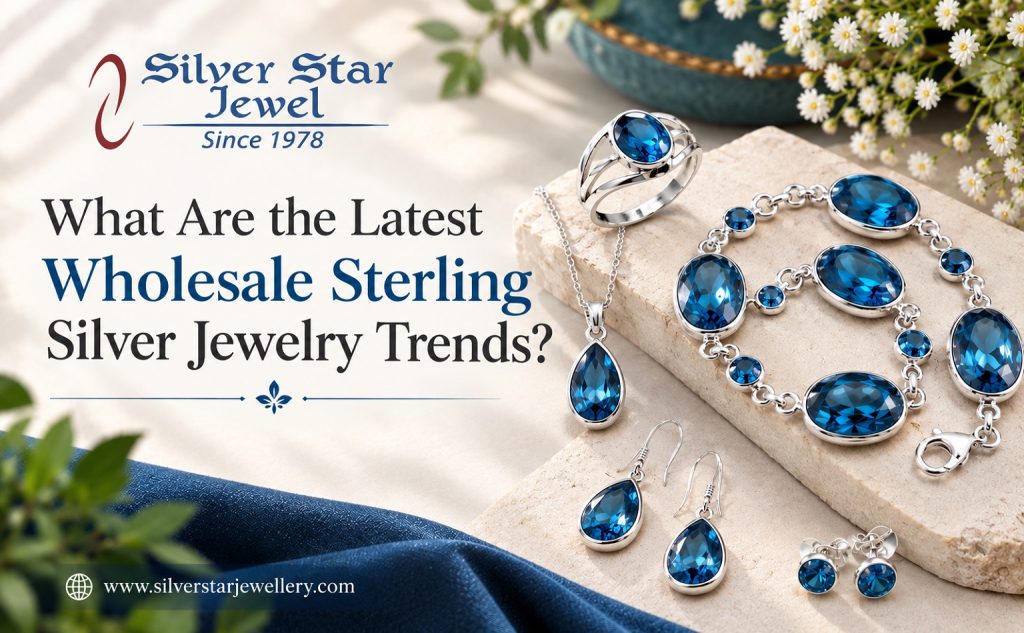
Sterling silver continues to hold a strong place in the global jewelry market because of its balance of quality, durability, and accessible pricing. Retailers and independent sellers who source in bulk look closely at shifting design preferences, material innovations, and consumer values. Understanding current directions helps buyers select pieces that meet real demand without overstocking outdated styles. This overview examines recent patterns observed across trade shows, buyer reports, and industry observations, focusing on practical developments rather than short-lived fads.
Growing Interest in Wholesale Sterling Silver Jewelry Designs
One clear direction involves cleaner lines and lighter weights. Buyers report higher interest in pieces that feel substantial yet remain comfortable for daily wear. Wholesale Sterling Silver Jewelry selections now often feature brushed finishes alongside traditional high polish, giving customers options that suit both casual and more formal settings. Many collections incorporate mixed textures within a single item, such as a combination of smooth surfaces and subtle hammered details. These choices reflect a broader preference for versatility. Ethical sourcing of silver and transparent production methods also appear more frequently in buyer conversations, as end customers increasingly ask about origin and environmental impact. Collections that document responsible practices tend to move more steadily through wholesale channels.
Popular Styles in Wholesale Sterling Silver Necklaces
Necklaces remain a high-volume category because they offer flexible price points and strong visual impact. Layering continues to influence ordering patterns, with many retailers requesting sets of different lengths that can be worn together. Wholesale Sterling Silver Necklaces frequently include delicate chains paired with small geometric pendants or organic shapes inspired by natural forms. Adjustable clasps have become more common, allowing one piece to suit varied necklines and body types. Longer chains with subtle movement also appear in larger quantities, as do shorter styles that sit close to the collarbone. Buyers note that pieces without excessive ornamentation sell more consistently across different markets. Finish variety, including oxidized accents that create contrast, adds interest while keeping production straightforward.
Demand Patterns for Sterling Silver Studs Wholesale
Earrings, particularly studs, provide an entry point for many customers and therefore receive steady attention from volume buyers. Sterling Silver Studs Wholesale orders show preference for simple geometric shapes, small botanical motifs, and minimalist disc or bar designs. Comfort remains a priority, so lightweight posts and secure backs appear in most current offerings. Some collections introduce slight asymmetry within a pair while maintaining overall balance, appealing to customers who want a modern touch without complexity. Hypoallergenic considerations also influence selections, with many suppliers highlighting nickel-free posts. Studs that can transition from daytime to evening use perform well in wholesale catalogs because they support broader merchandising strategies.
Material and Finish Developments Across Collections
Beyond specific product types, material treatments continue to evolve. Rhodium plating still appears on higher-end wholesale lines to improve resistance to tarnish, yet many buyers now request unplated options that develop a natural patina over time. Matte and satin finishes gain ground because they hide minor surface marks more effectively than high-gloss surfaces. Some suppliers experiment with selective oxidation that darkens recessed areas while leaving raised surfaces brighter, creating depth without additional stones or coatings. These approaches keep production costs manageable while offering visual variety. Consistency in silver purity remains essential; reliable suppliers maintain clear documentation of .925 standards so buyers can communicate quality confidently to their own customers.
Sustainability and Production Considerations
Environmental and social factors influence purchasing decisions more than in previous years. Wholesale buyers increasingly ask about recycled silver content and energy use during manufacturing. Collections that incorporate a measurable percentage of reclaimed material attract attention, provided the quality matches virgin silver standards. Packaging has also shifted toward simpler, recyclable materials rather than elaborate plastic inserts. These changes do not alter the core appeal of sterling silver but do affect how products are presented and marketed downstream. Buyers who prioritize long-term supplier relationships often favor partners who can demonstrate incremental improvements in these areas rather than dramatic claims.
Regional Preferences and Market Variations
Demand is not uniform across all markets. In some regions, classic motifs and traditional silhouettes retain strong appeal, while other areas favor abstract or architectural forms. Wholesale catalogs that offer modular collections—core designs available in multiple sizes or with optional accents—allow retailers to adapt to local tastes without maintaining excessive inventory. Seasonal influences still matter; lighter pieces tend to move faster in warmer months, while more substantial designs see increased interest during cooler periods and gift-giving seasons. Observing these patterns helps buyers time their orders effectively and reduce the risk of slow-moving stock.
Practical Factors for Buyers Evaluating Trends
When assessing new collections, experienced buyers examine several practical points. First, they check whether designs translate well across different price tiers so that a single aesthetic can serve multiple customer segments. Second, they evaluate packaging and presentation readiness, since many retailers prefer items that arrive display-ready. Third, they consider after-sales support such as replacement parts for clasps or posts. These operational details often determine whether a trend becomes a reliable seller rather than a short-term experiment. Clear communication from suppliers about lead times and minimum order quantities further supports confident purchasing decisions.
Balancing Innovation with Established Preferences
While new shapes and finishes attract attention, many successful wholesale programs continue to include proven classics updated with subtle contemporary details. A familiar silhouette rendered in a current finish or paired with a modern clasp can perform as well as a completely novel design. This balance reduces risk for both suppliers and retailers. Collections that allow mix-and-match components also support this approach, giving buyers flexibility to create custom assortments from a limited set of base pieces.
Conclusion
Current directions in the wholesale sterling silver sector emphasize versatility, thoughtful finishes, and practical durability. Necklaces suited to layering, lightweight studs with clean profiles, and broader collections that accommodate varied tastes form the core of recent activity. Attention to responsible sourcing and production transparency continues to grow alongside aesthetic preferences. Buyers who focus on quality consistency, adaptable designs, and reliable supplier relationships position themselves to meet customer expectations effectively. Observing these patterns and testing selections in measured quantities remains a sound approach for navigating ongoing changes in the market.
Frequently Asked Questions (FAQs)
Que. What finishes are currently preferred in wholesale sterling silver collections?
Ans. Brushed, matte, and selectively oxidized finishes appear frequently alongside traditional high polish. These options provide visual variety while remaining practical for everyday wear and production.
Que. Why do many buyers favor adjustable elements in necklaces?
Ans. Adjustable clasps and lengths allow one piece to suit different customers and outfits, improving sell-through rates and reducing the need for extensive size assortments.
Que. How important is material documentation for wholesale purchases?
Ans. Clear verification of .925 purity and any recycled content helps retailers communicate quality and origin information accurately to end customers.
Que. Do regional differences affect ordering patterns?
Ans. Yes. Some markets lean toward classic forms while others prefer abstract or geometric designs. Flexible collections that support local adaptation perform more consistently.
Que. What operational details should buyers review before placing large orders?
Ans. Lead times, minimum quantities, packaging readiness, and availability of replacement components all influence long-term success with a given collection.