


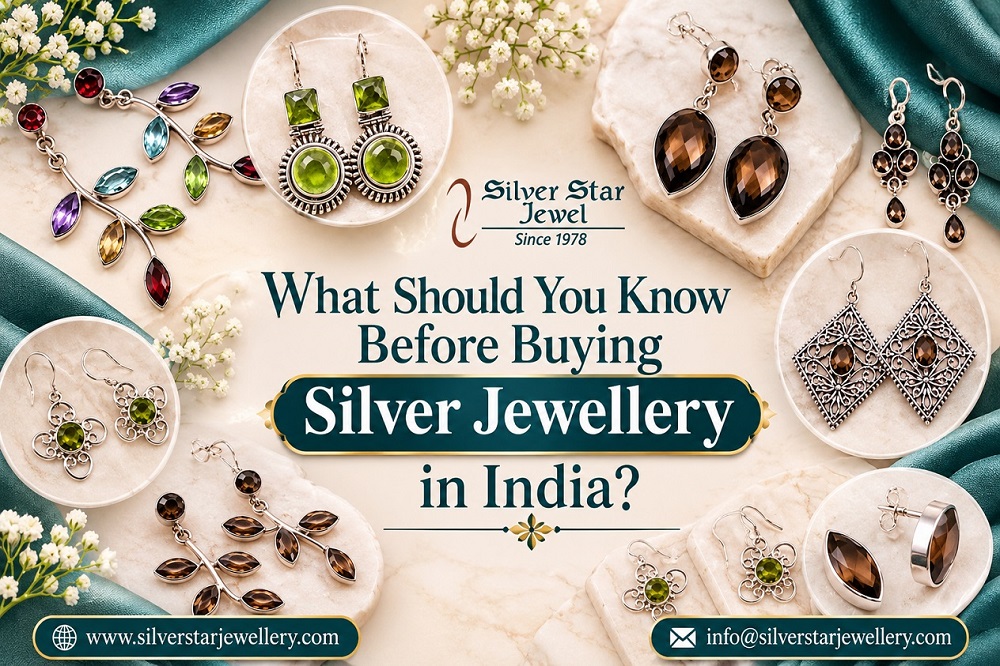
Silver jewellery holds a long-standing place in Indian culture and daily wear. From traditional designs rooted in regional crafts to modern minimalist pieces, silver offers durability, affordability, and aesthetic appeal. Before making a purchase, especially in larger quantities or for resale, buyers benefit from understanding purity standards, hallmarking practices, design variations, and market realities. Academic research on metal crafts and consumer protection in India highlights that informed choices reduce the risk of substandard products and support sustainable craft practices. This guide outlines key points drawn from material science, trade studies, and consumer guidelines without favouring any seller.
Understanding Wholesale Sterling Silver Quality Markers
Wholesale sterling silver refers to silver alloys sold in bulk that meet the internationally recognised 92.5 percent pure silver standard. The remaining 7.5 percent usually consists of copper or other metals that improve hardness and wear resistance. In India, the Bureau of Indian Standards oversees hallmarking for silver jewellery, though enforcement varies by region and market segment. Buyers should look for clear markings that confirm the 925 purity level. Academic reviews of metallurgy note that pure silver is too soft for most jewellery applications, so the sterling alloy balances beauty with practical strength.
Testing methods such as acid tests or electronic analysers help verify composition, yet visual inspection of hallmarks remains a first practical step. When purchasing in volume, request documentation of purity from suppliers. Consistent quality across batches protects both end consumers and intermediaries. Regional differences exist; some traditional centres maintain strong reputation systems based on long-term trader relationships, while organised retail channels increasingly rely on certified assays.
Key Considerations for 925 Sterling Silver Bracelets Wholesale
925 Sterling Silver Bracelets Wholesale involves larger quantities of bangles, cuffs, and chain-style bracelets made to the sterling standard. Buyers should examine weight consistency, clasp strength, and surface finish across the lot. Variations in thickness or finishing can indicate uneven production quality. Studies on jewellery manufacturing processes show that proper annealing and polishing stages reduce the likelihood of early tarnish or breakage.
Design factors also matter. Traditional Indian motifs such as paisley, floral patterns, or geometric forms appear frequently, while contemporary styles favour clean lines. For wholesale buyers, assessing how well designs suit different age groups or occasions helps match inventory to market demand. Storage and packaging affect long-term condition; silver reacts with sulphur compounds in the air, so airtight or anti-tarnish packaging preserves appearance. Trade literature recommends checking for smooth edges and secure findings, as these details influence customer satisfaction and return rates.
Evaluating Wholesale Silver Gemstone Earrings Pendant Set Options
Wholesale Silver Gemstone Earrings Pendant Set combinations pair sterling silver frames with natural or lab-created stones. Common choices include turquoise, amethyst, garnet, and moonstone, each carrying cultural associations in different parts of India. Buyers need to verify that stones are securely set and that the metal surrounding them maintains the expected purity. Gemmological assessments stress the importance of checking for cracks, colour consistency, and setting quality, as poorly fixed stones can loosen with regular wear.
Matching sets require careful inspection of symmetry between earrings and pendant. Differences in size, colour intensity, or metal finish reduce the perceived value of the collection. Academic observations of consumer behaviour indicate that coordinated pieces appeal strongly for gifting and festive wear. When ordering wholesale, request sample photographs or physical samples under consistent lighting to judge true colour and craftsmanship. Natural stones show slight variations that many buyers accept as authentic, while highly uniform pieces may involve treated or synthetic materials.
Hallmarking and Authenticity Checks
Hallmarking provides an independent verification of metal content. In India, the official silver hallmark includes the purity grade, assay centre mark, and year. Although not every small-scale producer participates in the formal system, larger wholesale channels increasingly adopt it. Consumer protection research recommends cross-checking marks against known assay office symbols. Absence of a hallmark does not automatically mean lower quality, yet it places greater reliance on the seller’s reputation and independent testing.
Buyers can also use simple home tests, such as the magnet test (sterling silver is not magnetic) or the ice test (silver conducts heat rapidly). These methods offer preliminary indications but cannot replace professional assay for high-value or large-volume purchases. Understanding these checks builds confidence and reduces the chance of accepting plated or lower-purity items marketed as sterling.
Regional Craft Traditions and Design Diversity
India’s silver jewellery traditions vary by region. Rajasthan and Gujarat are known for intricate filigree and oxidised finishes, while South Indian styles often feature temple-inspired motifs. Eastern regions contribute distinct bead and chain work. Awareness of these differences helps buyers select pieces that align with cultural preferences or target markets. Anthropological studies of Indian metal crafts emphasise that regional techniques preserve specific skills and visual languages. Supporting authentic regional work contributes to the continuity of those skills.
Design trends evolve with fashion cycles, yet core techniques such as handcrafting, casting, and stone setting remain central. Wholesale buyers who understand both traditional and contemporary preferences can stock balanced inventories. Training programmes and cooperative models in several craft clusters aim to maintain quality while adapting to changing tastes.
Care, Maintenance, and Longevity Factors
Silver jewellery requires regular cleaning to manage natural tarnish. Mild soap solutions, soft cloths, and commercial silver polish restore shine without damaging the surface. Academic materials science notes that exposure to moisture, chemicals, and certain foods accelerates oxidation. Proper storage in dry, sealed environments extends the life of pieces. For wholesale lots, advising end customers on care practices reduces complaints and supports long-term satisfaction.
Weight and comfort also influence wearability. Heavier pieces suit occasional use, while lighter designs work for daily wear. Checking hinge mechanisms, posts, and clasps for smooth operation prevents practical problems after purchase.
Market Realities and Informed Decision Making
Price varies with silver market rates, craftsmanship complexity, stone quality, and order volume. Tracking international and domestic silver prices provides a baseline for fair evaluation. Trade analyses show that significant deviations below prevailing rates often signal compromised purity or finishing. Building relationships with established suppliers who provide consistent documentation and after-sales support improves reliability over time.
Ethical considerations include fair compensation for artisans and transparent sourcing. Research on craft economies in India links stable wholesale demand to better working conditions and skill retention in artisan communities. Buyers who prioritise clear communication and quality standards contribute to healthier supply chains.
Conclusion
Purchasing silver jewellery in India involves attention to purity standards, hallmark verification, design integrity, and practical care requirements. Understanding wholesale sterling silver composition, examining 925 sterling silver bracelets for consistency, and carefully evaluating wholesale silver gemstone earrings pendant set combinations equip buyers to make sound choices. Regional craft knowledge, maintenance practices, and realistic assessment of market pricing further strengthen decision-making. Informed buyers protect their investments, support authentic craftsmanship, and gain lasting value from well-chosen pieces. Careful evaluation at each step remains the most reliable path to satisfactory outcomes.
Frequently Asked Questions (FAQs)
Que. What does the 925 marking on silver jewellery indicate?
Ans. The 925 marking confirms that the metal contains 92.5 percent pure silver, with the balance usually consisting of copper or similar metals for added strength. This standard is widely accepted for sterling silver jewellery.
Que. How can buyers verify the authenticity of silver pieces in bulk?
Ans. Buyers can check for official hallmarks, request assay certificates, and use basic tests such as the magnet or ice test. For large orders, professional laboratory testing offers the highest level of confirmation.
Que. Why do some silver jewellery pieces tarnish faster than others?
Ans. Tarnish occurs when silver reacts with sulphur compounds in the air or from contact with certain chemicals and moisture. Thinner pieces or those with less protective finishing may show changes sooner. Proper storage slows the process.
Que. Are natural gemstones always preferable in silver jewellery sets?
Ans. Natural stones offer unique variations and cultural associations, yet treated or lab-created stones can provide consistent colour and lower cost. The choice depends on intended use, budget, and preference for authenticity markers.
Que. What factors influence the price of wholesale silver jewellery?
Ans. Current silver market rates, craftsmanship complexity, stone quality, order volume, and finishing standards all affect pricing. Significant deviations from expected ranges warrant closer inspection of purity and workmanship.