
Silver jewellery holds a long-standing place in Indian culture and daily wear. From traditional designs rooted in regional crafts to modern minimalist pieces, silver offers
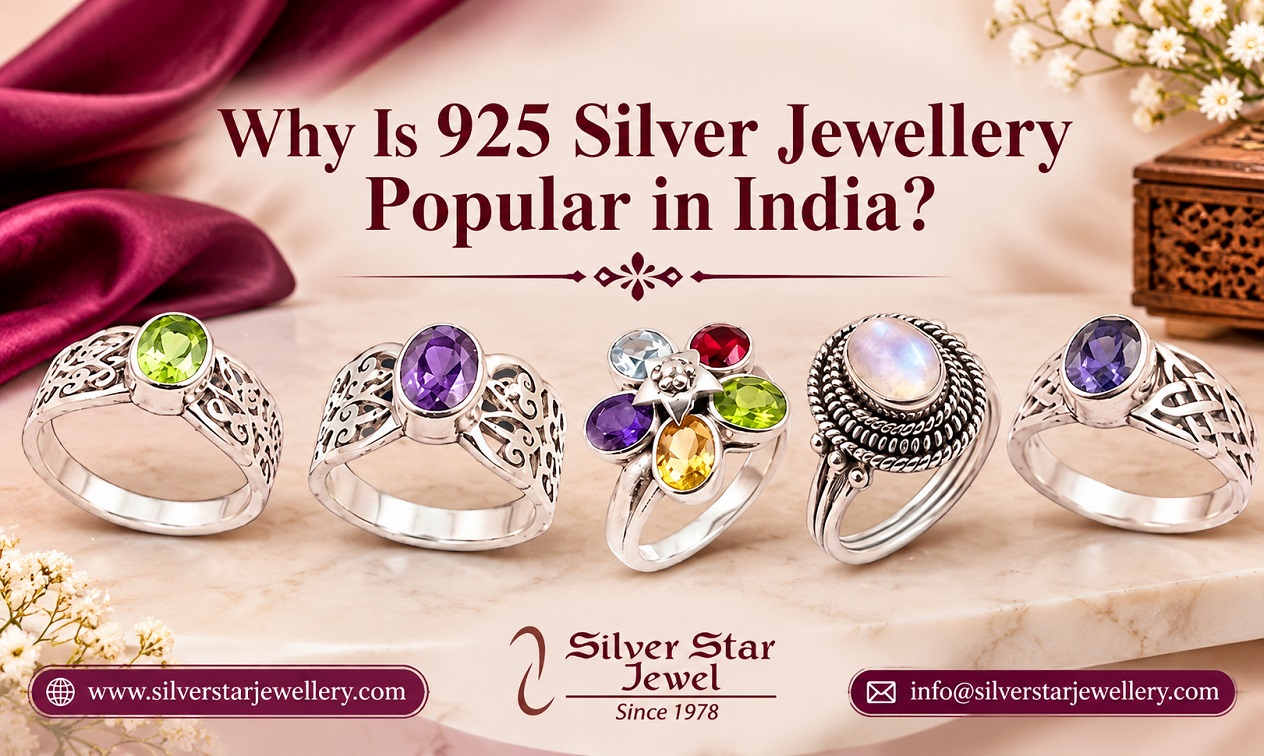
925 silver, also known as sterling silver, contains 92.5 percent pure silver mixed with other metals for strength. This standard has become widely accepted in
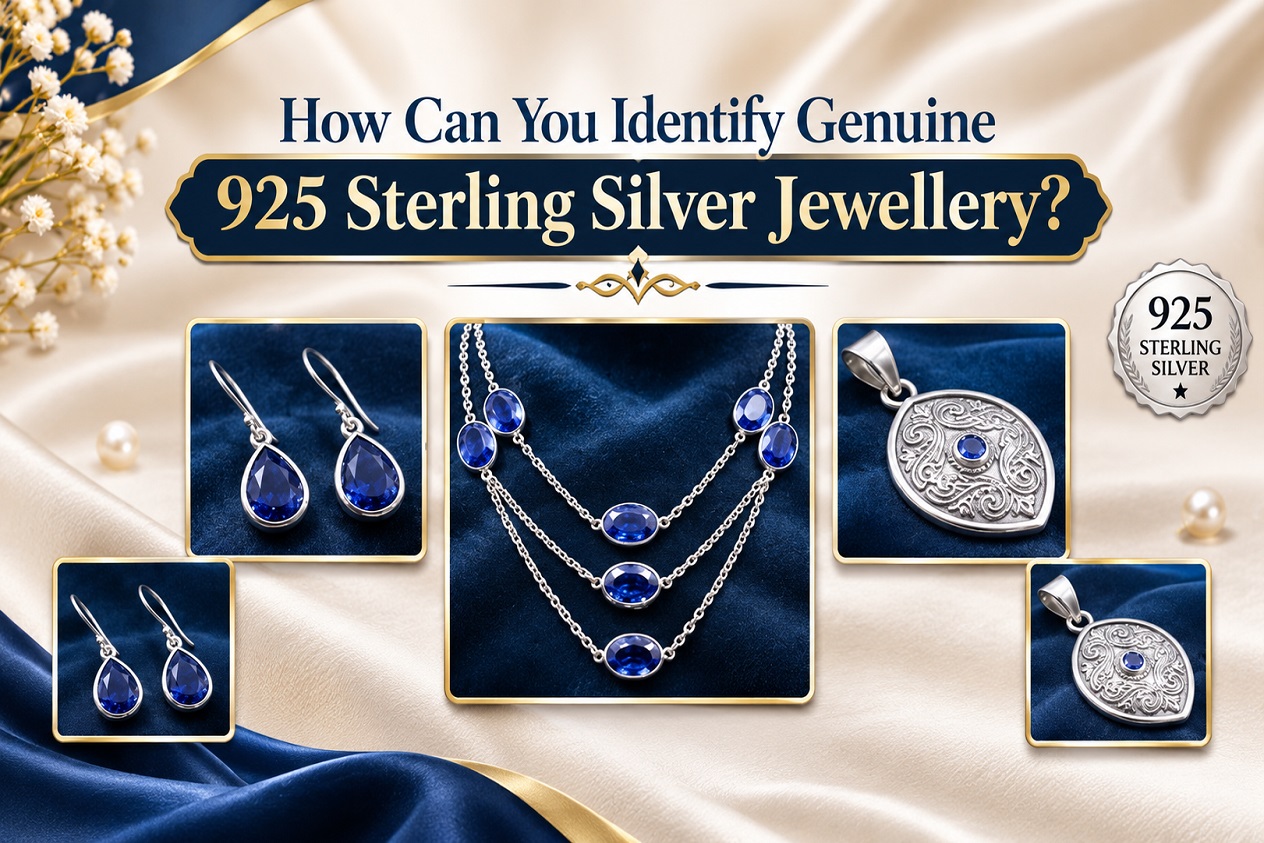
Sterling silver has long been part of jewellery traditions across cultures. The number 925 indicates that the metal contains 92.5 percent pure silver mixed with
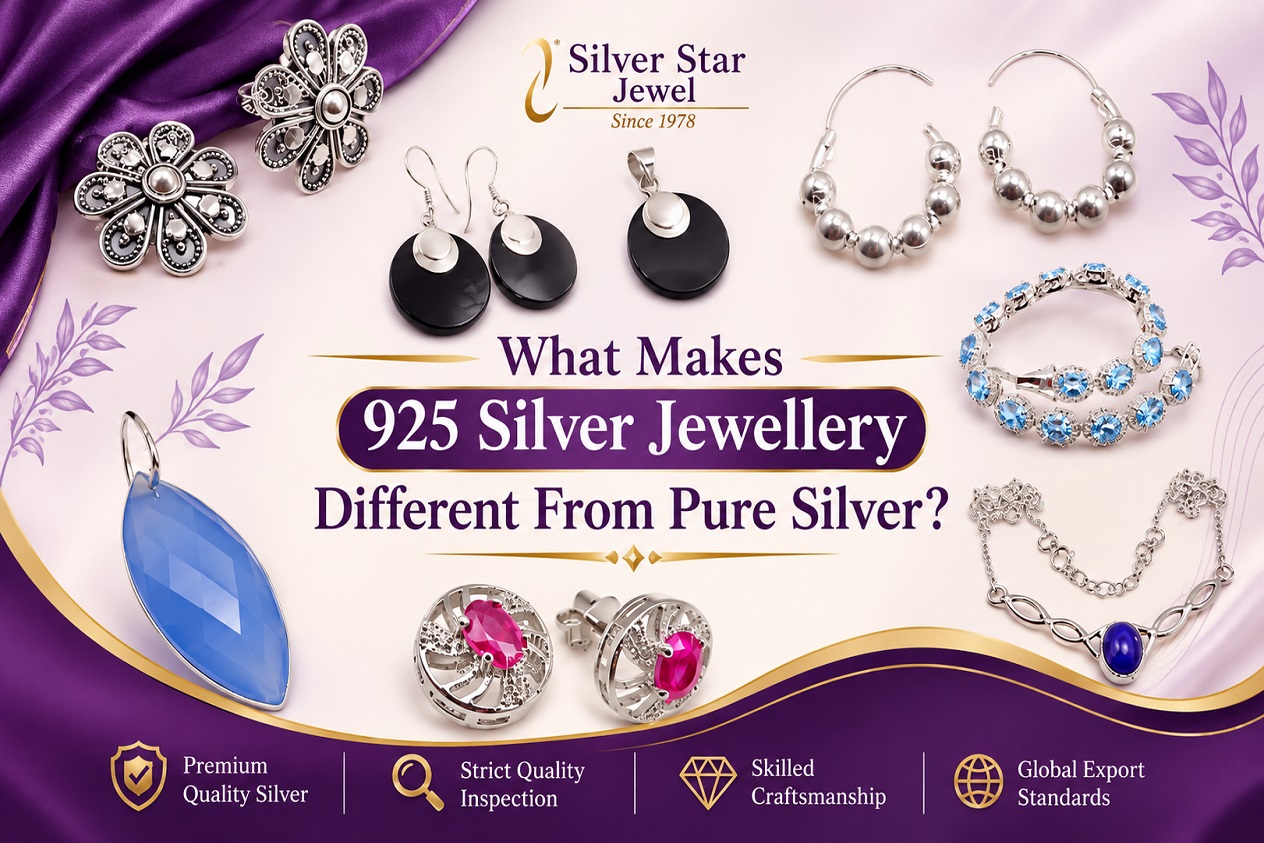
Silver has been valued for centuries in jewellery because of its bright white colour, malleability, and resistance to corrosion under normal conditions. Metallurgists and materials
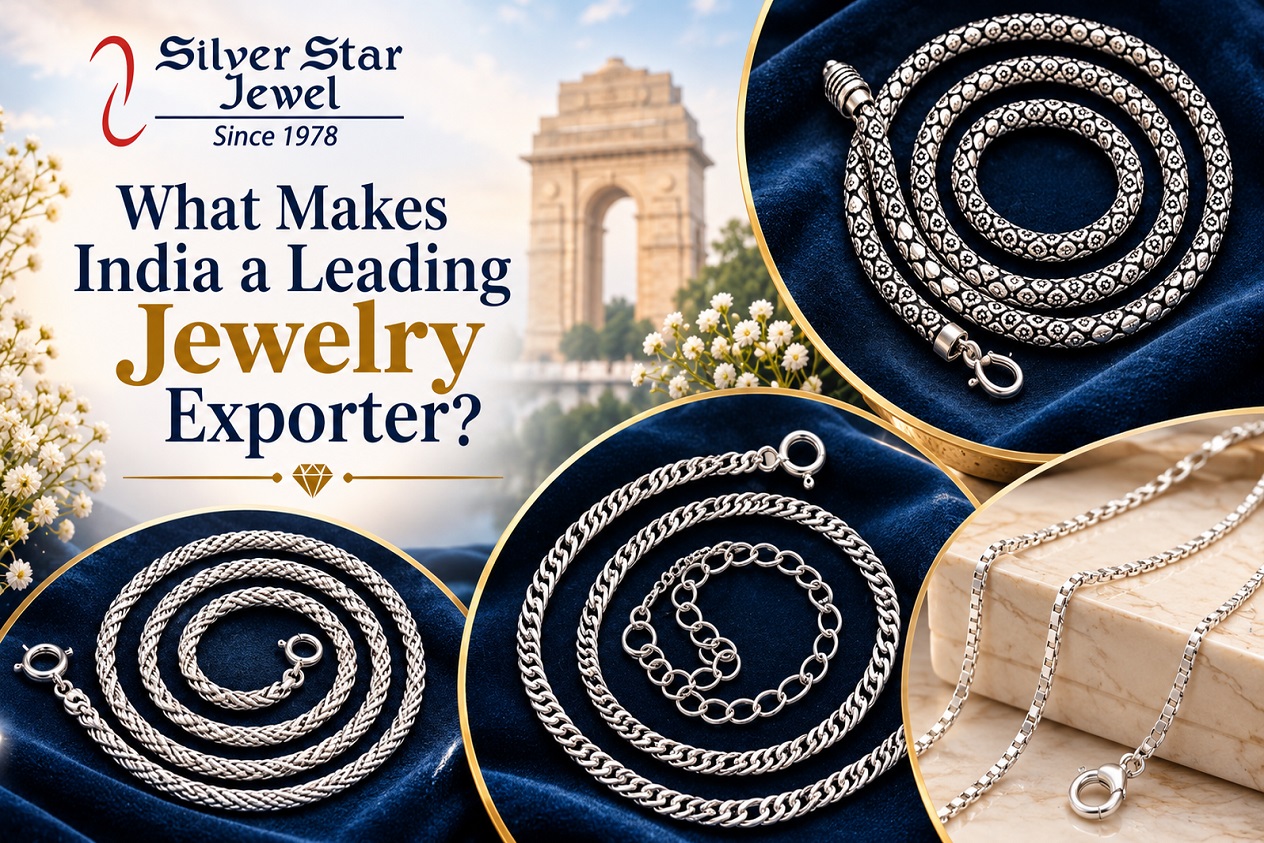
India holds a long-standing position in the global jewelry trade. Its combination of skilled craftsmanship, abundant design traditions, and organised manufacturing capacity allows the country
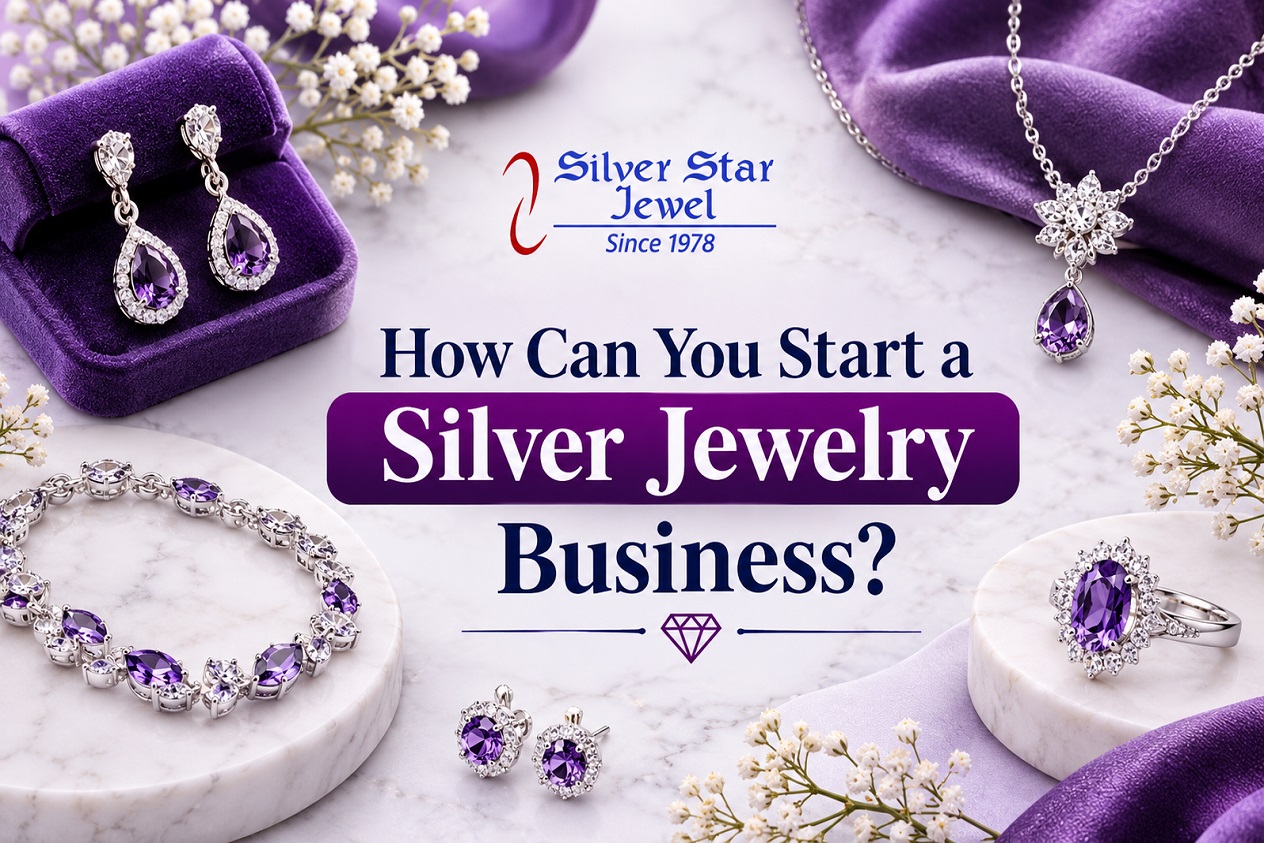
Starting a silver jewelry business requires careful planning, knowledge of materials, and an understanding of market demand. Silver has long held value in both traditional

Retailers in the jewelry sector often face pressure from rising operating costs, fluctuating consumer demand, and competition from both physical stores and online platforms. One
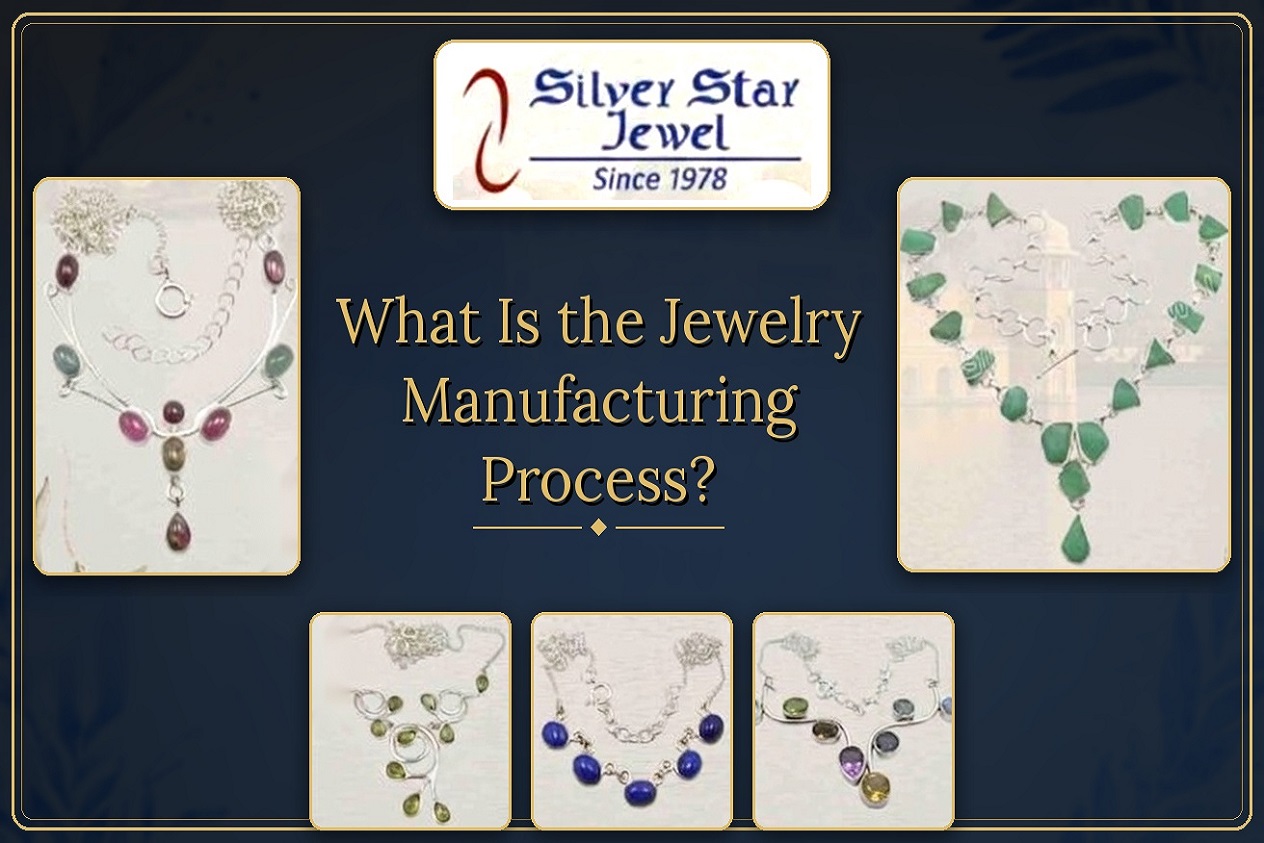
Jewelry making combines traditional craft skills with controlled industrial steps to turn raw materials into finished pieces. The process for silver items follows a clear
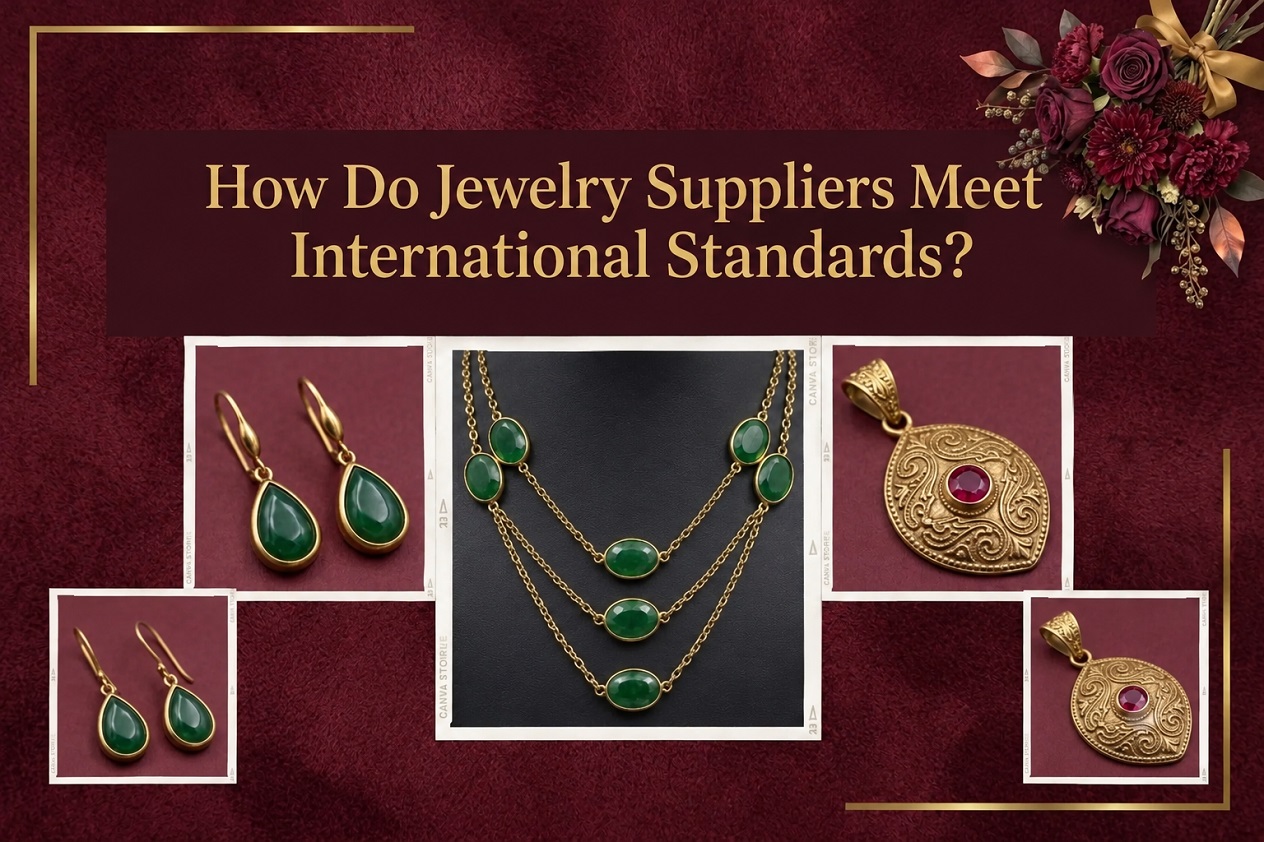
Jewelry production involves precise control over materials, processes, and documentation. International buyers expect consistent purity, accurate gemstone identification, safe materials, and reliable manufacturing practices. Suppliers
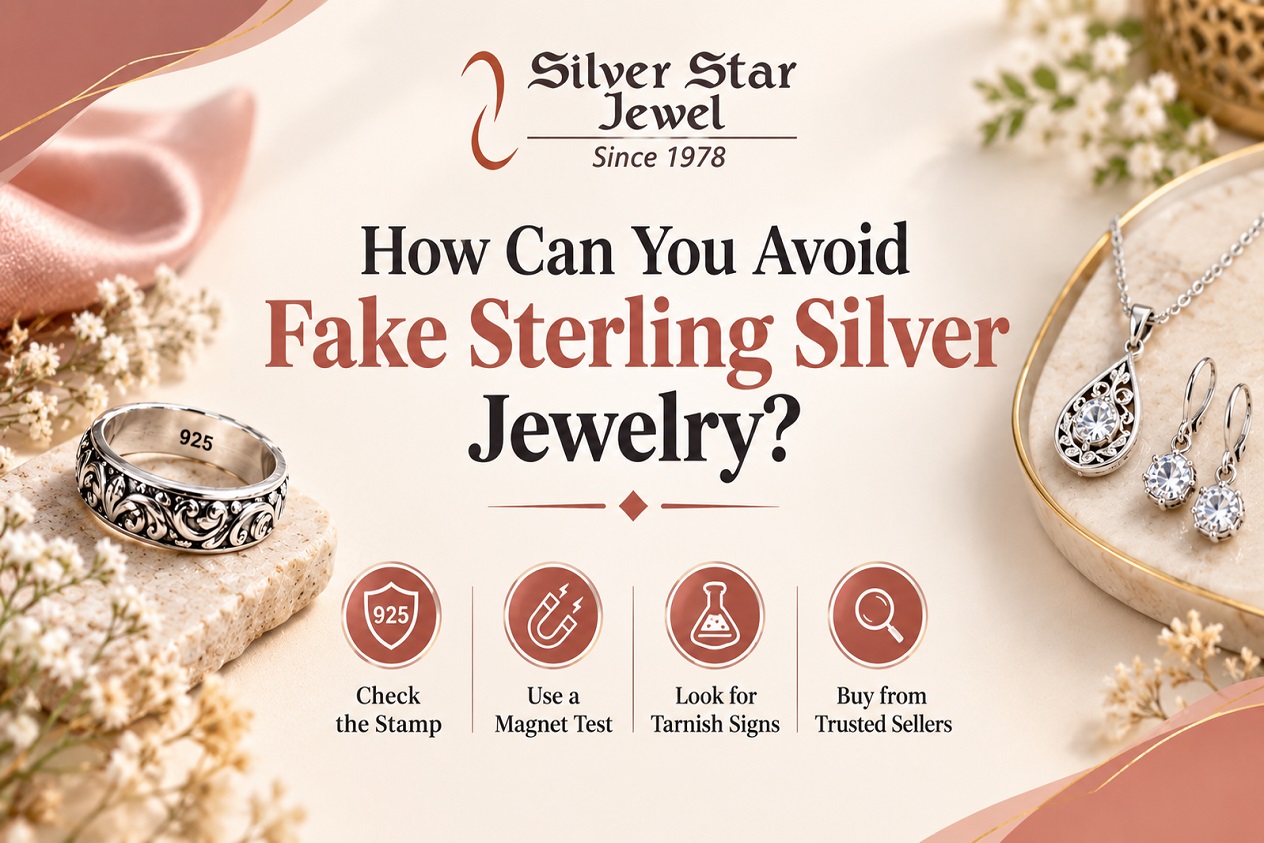
Sterling silver has long been valued for its bright finish, durability, and relative affordability compared with pure silver or gold. By definition, genuine sterling silver