Selecting the right partner for bulk jewelry purchases requires careful evaluation of several practical elements. Buyers often look at product consistency, material standards, and operational reliability before committing to ongoing orders. A structured approach helps avoid common pitfalls and supports long-term business stability.
Evaluating Material Quality and Purity Standards
Material integrity forms the foundation of any reliable comparison. Sterling silver pieces must meet recognized purity benchmarks so that finished items maintain their appearance and structural strength over time. Independent laboratory testing results and documented alloy compositions give clear evidence of compliance. Buyers should request recent assay reports and inspect sample finishes under magnification to detect surface inconsistencies or weak soldering. Gemstone settings deserve equal attention; stones must sit securely without excessive glue or visible gaps. When these checks are performed side by side across several sources, differences in craftsmanship become evident and decision-making grows more objective.
Assessing Production Capacity and Consistency
Production volume and repeatability matter once initial samples pass inspection. A supplier capable of fulfilling larger runs while keeping dimensions and finishes uniform reduces the risk of mismatched inventory. Factory audits or virtual walkthroughs can reveal whether equipment is modern and processes are documented. Lead times should be realistic and backed by historical performance data rather than optimistic estimates. Consistency across multiple batches protects retail presentation and customer satisfaction. Buyers who track sample-to-production variance early save time and expense later.
Reviewing Pricing Structures and Transparency
Clear cost breakdowns allow accurate margin calculations. Unit prices, tooling fees, and any volume discounts should appear in writing without hidden surcharges. Comparing total landed cost, including packaging and basic shipping estimates, prevents surprises. Ethical suppliers present tiered pricing that rewards larger commitments while remaining accessible for smaller test orders. Transparency in this area builds trust and simplifies ongoing negotiations.
Wholesale Sterling Silver Gemstone Jewelry Supplier
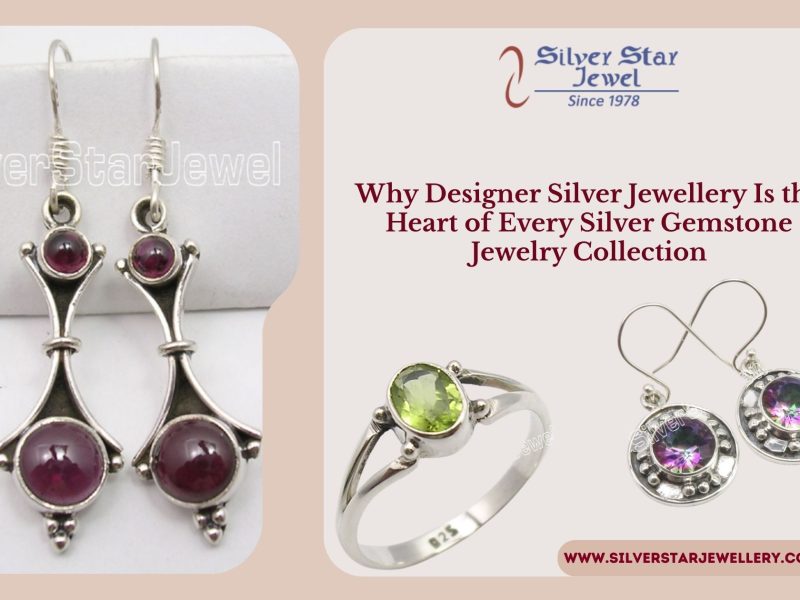
A Wholesale Sterling Silver Gemstone Jewelry Supplier typically offers organized catalogs of finished or semi-finished pieces that combine verified 925 silver with natural or lab-created stones. Services commonly include custom sizing, private labeling, and coordinated packing for retail readiness. Many such partners maintain dedicated design teams that update collections seasonally while preserving core quality controls. Buyers gain access to mixed lots that balance popular styles with slower-moving items, helping inventory turnover. Documentation of metal purity and stone origin usually accompanies each shipment, supporting compliance and customer inquiries. These operational supports reduce the administrative load on the purchasing side and allow focus on sales rather than quality disputes.
Checking Compliance and Ethical Sourcing Practices
Responsible sourcing has become a standard expectation. Suppliers should demonstrate adherence to conflict-free mineral guidelines and labor standards. Certificates from recognized bodies or membership in industry associations provide external validation. Environmental practices, such as water treatment and waste management at production sites, further distinguish careful operators. Academic research in supply-chain ethics consistently shows that documented compliance lowers long-term reputational risk for retailers. Buyers who verify these points protect both their brand reputation and the integrity of the finished products they offer.
Comparing Logistics and After-Sales Support
Reliable delivery schedules and clear return policies complete the evaluation. Tracking systems, insurance options, and response times for quality claims reveal operational maturity. Some partners maintain regional warehouses that shorten transit periods for frequent destinations. After-sales communication channels that remain responsive outside peak seasons indicate genuine partnership rather than transactional focus. Side-by-side comparison of these service elements often clarifies which source aligns best with a buyer’s distribution model.
Understanding Market Reputation Through Independent Feedback
Industry forums, trade-show observations, and peer recommendations supply useful context. Patterns of repeated praise or complaint across multiple independent sources carry more weight than isolated testimonials. Academic studies on industrial purchasing emphasize the value of triangulating reputation data with direct sample testing. Buyers who combine these inputs form a more complete picture than price lists alone can provide.
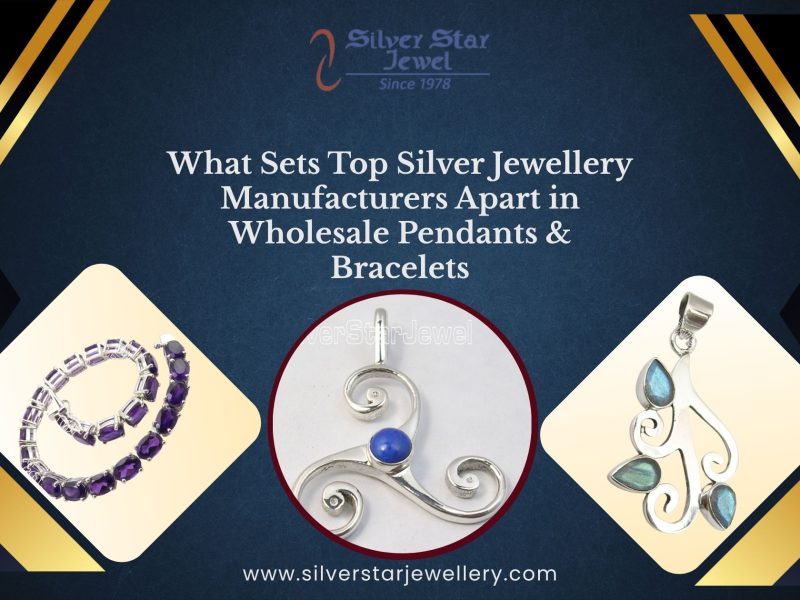
Wholesale Sterling Silver Bracelets appear in many catalogs as high-turnover items because of their versatility and steady consumer demand. Evaluating chain strength, clasp security, and surface polishing on these pieces offers a practical benchmark for overall workmanship. Parallel inspection of 925 Silver Pendants Wholesale lots can confirm consistent bail construction and stone seating across different product categories. Together, these checks reinforce material and finishing standards observed elsewhere in the assortment.
Balancing Minimum Order Requirements with Flexibility
Order thresholds should match a buyer’s storage capacity and sales velocity. Excessively high minimums can create cash-flow pressure, while overly low thresholds may signal limited production scale. Flexible private formats, such as mixed cartons or seasonal pre-packs, help intermediate buyers manage risk. Clear communication about future volume commitments often unlocks better terms without forcing oversized initial purchases.
Documenting the Comparison Process for Future Reference
Recording scores across the categories above creates a reusable framework. Simple spreadsheets that track purity documentation, sample quality, pricing clarity, and service responsiveness allow objective ranking. Over successive seasons, the same criteria can be reapplied, revealing whether a chosen partner maintains standards or drifts. This disciplined approach aligns with methods recommended in supply-chain management literature and supports continuous improvement.
Conclusion
Comparing wholesale jewelry suppliers rewards methodical attention to material standards, production reliability, pricing clarity, ethical practices, and logistical support. By examining each area with concrete evidence rather than marketing claims, buyers identify partners capable of consistent performance. The process described here remains practical for both new and experienced purchasers and supports stable, ethical supply relationships over time. A Wholesale Sterling Silver Gemstone Jewelry Supplier that meets the checks outlined above can become a reliable long-term resource when evaluation stays consistent and evidence-based.
Frequently Asked Questions (FAQs)
Que. What purity level should sterling silver jewelry meet for wholesale purchases?
Ans. Industry standards require a minimum of 92.5 percent pure silver. Buyers should request assay reports or hallmarks confirming this composition on every significant order.
Que. How important are gemstone origin documents when comparing suppliers?
Ans. Origin and treatment disclosures help verify ethical sourcing and allow accurate product descriptions for end customers. Reliable partners supply these details without delay.
Que. Can smaller retailers work effectively with larger production facilities?
Ans. Many facilities accommodate mixed or lower-volume orders when communication remains clear and payment terms are met. Flexibility often improves after an initial successful transaction.
Que. What role do independent lab tests play in supplier evaluation?
Ans. Third-party results provide objective confirmation of metal purity and stone characteristics, reducing reliance on internal claims alone.
Que. How frequently should buyers re-evaluate an established supplier?
Ans. Annual or semi-annual reviews of sample quality, delivery performance, and documentation keep standards current and identify any gradual changes early.