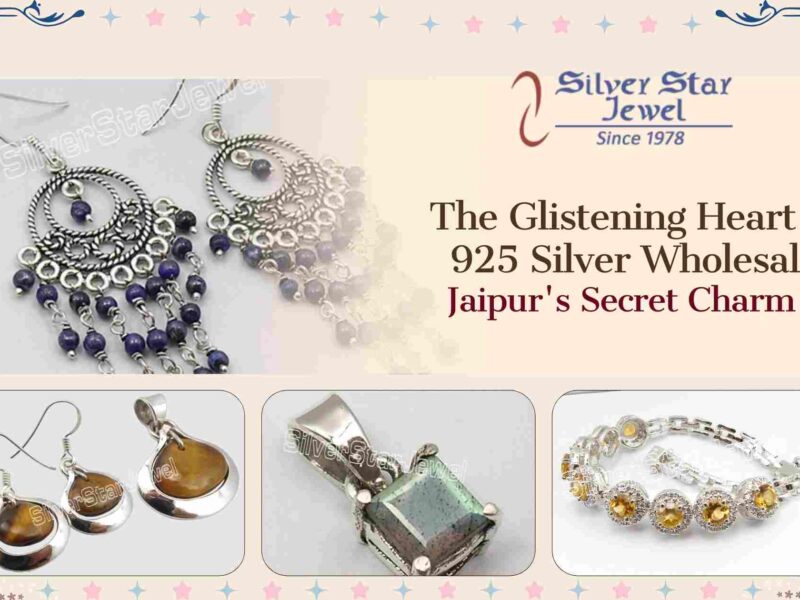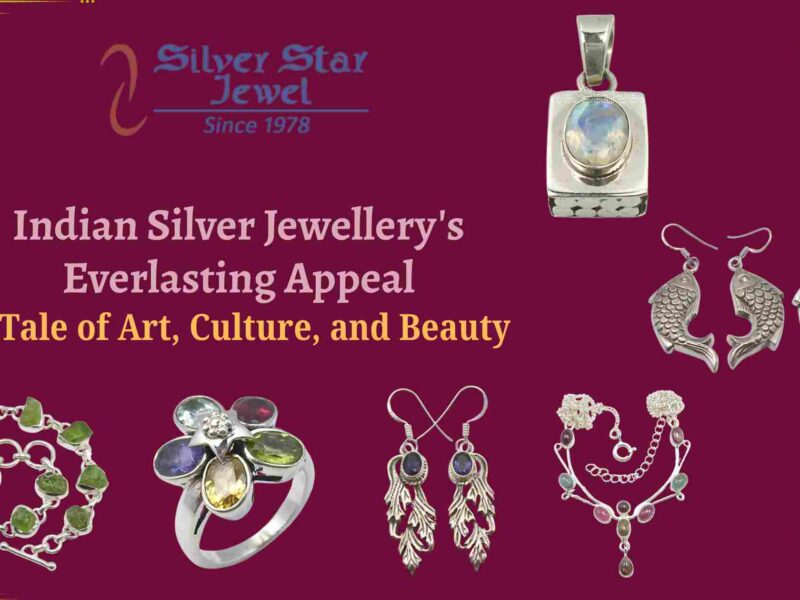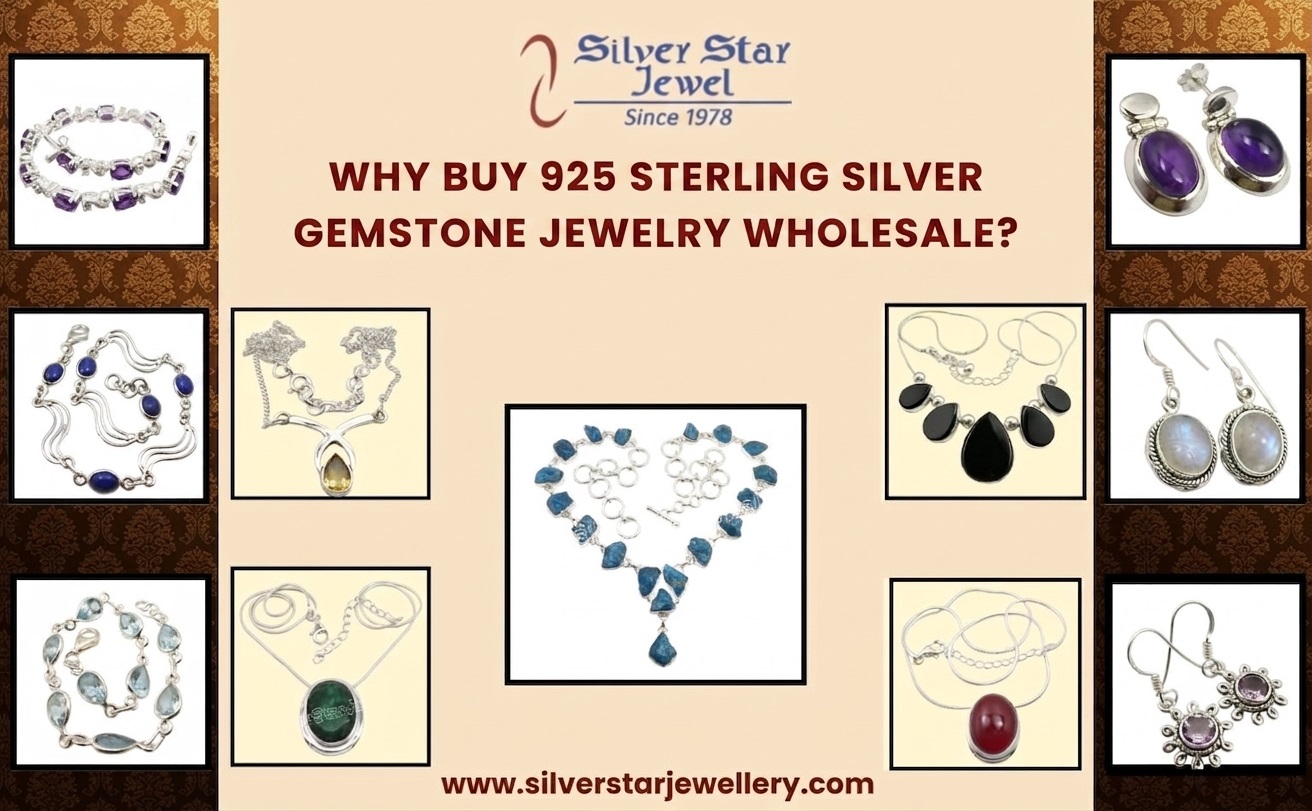
925 sterling silver gemstone jewelry has kept a respected place in old-school craftsmanship and also newer looks, maybe because it mixes things that make sense when you use them daily. The blend of durable silver alloy and real or enhanced gemstones results in pieces that aim for strong visual pull, yet still feel wearable in practice. For retailers, designers, and even lone sellers, getting why wholesale acquisition of these items works well can be pretty straightforward when you connect it to material science, shifting market behavior, and supply-chain efficiency.
Composition and Material Properties of 925 Sterling Silver
925 sterling silver is made from 92.5 percent pure silver and 7.5 percent other metals, usually copper. This mix makes it harder and better at resisting bending or distortion, yet it still keeps the familiar bright luster people associate with silver. If you combine it with gemstones like amethyst, turquoise, garnet or cubic zirconia the metal acts as a solid backdrop, helping the piece stay structurally sound while also creating noticeable visual contrast. Various educational materials review the metallurgy and indicate that the copper fraction boosts tensile strength without a major shift in the reflective feel that jewelry buyers value. At the same time gemstones bring in color, surface character, and symbolic meanings that have been recorded across many cultures for centuries. In the end the finished items sit in a practical middle place between fine jewelry and everyday fashion accessories, so they fit a wider range of customer preferences.
Practical Reasons for Wholesale Acquisition
Buying in bigger batches helps push down the per-unit expense due to economies of scale, and it feels like everything gets more calibrated. When manufacturers and suppliers know the order volume is coming, they can schedule production runs with more orderliness. That also helps reduce material waste and limits labor overhead a bit. Because of this cost structure buyers can keep steadier margins while still putting out retail prices that remain attractive.
Inventory diversity benefits too, since one bulk wholesale order can include several stone types, different finishes and varying silhouettes. This means retailers can check what the market likes without doing repeated small-scale procurement that drains time. Supply consistency usually looks better as well, because long-running wholesale channels often hold more stock and run longer production pipelines than the more ad-hoc retail sourcing.
Quality Consistency and Verification Practices
Wholesale channels that focus on 925 sterling silver often apply standardized quality checks, or at least some close version of them. You usually see hallmarks that signal the 925 standard, plus paperwork about where the gemstone came from or what kind of treatment it received; this helps confirm authenticity. Even with all that, independent lab testing for metal composition and stone identification remains advisable, though the operational scale in wholesale tends to allow more intense batch sampling than you would see with a single retail buy. Over time, steady ties with trusted suppliers can reduce the chances of under-carated metal or gemstones that are described incorrectly. In material science writing, you will often find that correct alloying choices and stone-setting methods directly affect longevity; wholesale partners who can show documented processes typically provide more consistent performance for everyday wear.
Design Range and Market Responsiveness
Wholesale inventories often have a mix of classic looks and seasonal ones, not really one answer. Necklaces, earrings, rings and bracelets show up in different lengths, stone sizes, plus surface treatments like oxidized, polished or lightly textured finishes, sometimes even more nuanced. If a retailer has access to 925 Sterling Silver Necklace Wholesale collections, for instance, it can place pendant styles on the shelf from quiet minimalist solitaires through multi-stone arrangements, all without asking for commissioned custom production for every single change. In the same way, Wholesale 925 Sterling Silver Earrings options usually include studs, drops, hoops, and ear cuffs, so the shop can react quickly to shifting customer tastes. This wide design selection supports both trend-led merchandising and ongoing evergreen core assortments.
Economic and Operational Considerations for Businesses
From a business operations point of view, wholesale purchasing makes cash-flow planning easier, less fussy too. When orders are bigger but less frequent, there’s also less admin time spent on all those many small transactions. And when shipping gets consolidated, the logistics cost per unit tends to drop. For online sellers as well as brick-and-mortar stores, quickly refilling the popular SKUs from a supplier that is already known helps avoid stockouts. Research on retail supply chains keeps landing on the same general idea: steady wholesale relationships raise inventory turnover and reduce the money tied up in slow movers. Also, if buyers choose suppliers with flexible minimum quantities, or the ability to mix and match items within one order, the chance of overstocking any single design goes down even more.
Ethical and Sustainability Dimensions
Responsible sourcing for both silver and gemstones has been getting more attention lately in materials research and in industry standards. Silver is often a byproduct coming from other metal mining, and in responsible supply chains the share of recycled silver is increasing, in general. Gemstone mining practices vary a lot though, so transparent wholesale partners matter more, especially those who provide origin information or back up certified ethical sources that match what buyers want in traceable materials. In academic conversations about mineral extraction, the main idea is that purchasing decisions that are informed can push for better labor and environmental practices over time. Picking suppliers who document their processes helps drive longer-term upgrades for the industry, without forcing each buyer to do endless audits.
Practical Application of 925 Sterling Silver Gemstone Jewelry Wholesale
Businesses that weave 925 Sterling Silver Gemstone Jewelry Wholesale into their sourcing plan get more or less a versatile selection that reaches across multiple ages and different budgets. The metal is hypoallergenic in a well-made alloy, plus the gemstones bring visual intrigue so the pieces work for daily routines as well as special-occasion moments. For retailers, it becomes easier to assemble assortments where certain stones take the lead, matching seasonal mood and cultural events, while still holding onto a dependable set of classic looks. With wholesale, there’s also room to try new stone pairings or small finish variations at a lower risk level than going all the way through custom manufacturing for ideas that have not been proven yet.
Longevity and Consumer Value
Pieces made from authentic 925 sterling silver and properly secured gemstone inserts hold up well during usual daily use. Any tarnishing that shows up can be handled through regular cleaning, and the metal composition resists fast wear that you may notice in lower-purity silver. People who grasp these practical material traits often judge the jewelry as having stronger long-term worth, which encourages reorders and friendly recommendations. When educational content clearly explains what the 925 standard means, and how the gemstones behave, it strengthens that view while not exaggerating performance promises. Wholesale buyers who share accurate details with their customers help guide smarter choices, and that supports steady demand.
Conclusion
Getting 925 sterling silver gemstone jewelry from wholesale lines can bring real benefits in cost efficiency, more design options, consistent quality, and day-to-day ease. You have the metal characteristics of the alloy, plus the visual value added by gemstones, which ends up producing items that fit different market demands. When customers focus on proven suppliers and keep a close eye on responsible sourcing, the stock they bring in helps both the commercial side and the careful side. In the end, choosing wholesale depends on straightforward checking of supplier trust, material benchmarks, and how well it matches business goals, instead of chasing short-term promotions.
Frequently Asked Questions (FAQs)
Que. What does the “925” stamp mean on sterling silver jewelry?
Ans. The 925 stamp indicates that the metal contains 92.5 percent pure silver, with the remaining 7.5 percent typically consisting of copper or other alloying metals that increase hardness and durability.
Que. How can buyers verify the authenticity of gemstones in wholesale jewelry?
Ans. Request documentation of stone identification and treatment history from the supplier. Independent gemological testing of representative samples provides additional confirmation when larger quantities are involved.
Que. Is 925 sterling silver suitable for people with sensitive skin?
Ans. When properly alloyed and finished, 925 sterling silver is generally well tolerated. Individuals with known metal sensitivities should still test a small area or consult a professional if concerns persist.
Que. What maintenance is required for sterling silver gemstone jewelry?
Ans. Regular gentle cleaning with a soft cloth and mild soap solution helps control tarnish. Avoid prolonged exposure to harsh chemicals, and store pieces in a dry environment away from direct sunlight when possible.
Que. Are there differences between wholesale and retail quality standards for these items?
Ans. Quality depends primarily on the manufacturer and supplier rather than the sales channel. Established wholesale sources often apply consistent batch testing, but buyers should still review specifications and request material documentation regardless of purchase volume.