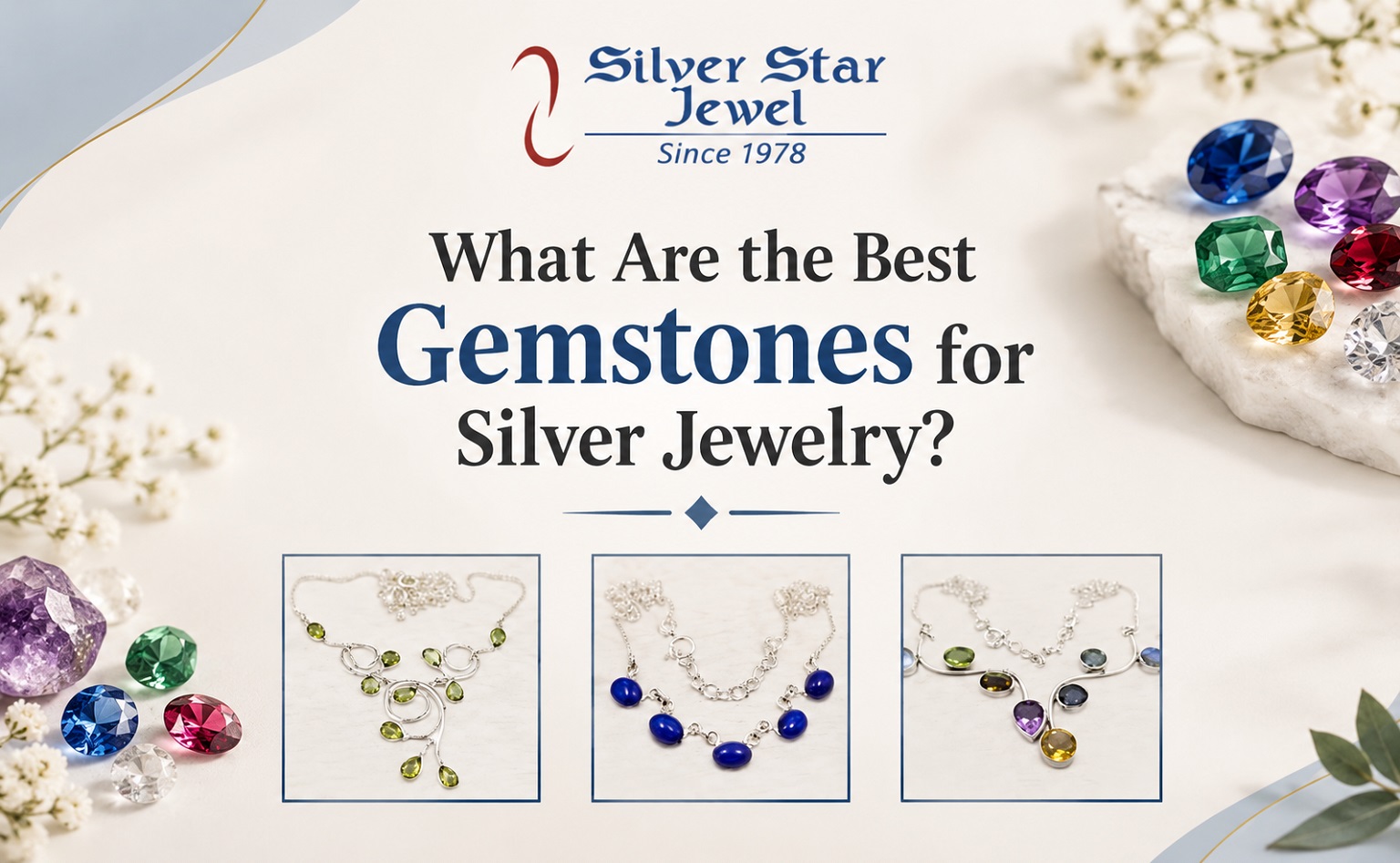
Silver has long held a special place in jewelry design because of its cool, reflective surface and ability to highlight the natural colors of stones. Choosing the right gemstones for silver jewelry involves understanding color contrast, hardness, cultural associations, and how light interacts with both metal and stone. Experts in gemology and materials science often point out that silver’s white tone creates a neutral backdrop, allowing gemstones to appear more vivid than they might against warmer metals.
Popular Gemstones That Complement Silver
Among the most frequently recommended stones for silver settings are those with strong saturation or interesting optical effects. Amethyst, with its purple hues ranging from pale lavender to deep violet, creates a striking contrast against silver. The metal’s brightness makes the purple appear richer, a combination noted in many museum collections of historic jewelry. Turquoise offers another classic pairing. Its blue-green tones echo the cool quality of silver, and the stone’s opaque surface softens the metal’s shine. Garnet, especially the deep red varieties, provides warmth that balances silver’s cooler appearance. Academic studies of historical jewelry from various cultures show that these three stones appear repeatedly in silver pieces because of both aesthetic harmony and relative availability.
Moonstone and opal introduce play-of-color effects that silver enhances rather than competes with. Moonstone’s adularescence, the soft blue glow that seems to float across the surface, becomes more noticeable when set in polished silver. Opal’s flashes of color gain definition against the metal’s even tone. Onyx and other black stones create bold contrast, a choice often favored in contemporary designs that emphasize clean lines. These pairings are not merely fashion preferences; they rest on principles of color theory and light reflection that gemologists and designers continue to study.
Factors That Influence Gemstone Selection for Silver
Hardness matters when pairing stones with silver. The Mohs scale helps explain why certain gems hold up better in everyday wear. Stones rated 7 or higher, such as amethyst, garnet, and wide varieties of quartz, resist scratching better than softer materials. Softer stones like turquoise or opal can still work well in silver jewelry if the design protects the stone with bezels or places them in less exposed positions. Durability also involves chemical stability. Silver can develop a patina over time, and some porous stones may absorb oils or react to cleaning agents, so careful material matching remains important.
Cultural and historical context further guides choices. In many traditions, turquoise carried protective associations and appeared frequently in silver work from regions where both materials were accessible. Amethyst once held symbolic value linked to clarity of mind, and silver settings allowed the stone’s color to remain the visual focus. Modern wearers may not always reference these meanings, yet the visual language established over centuries continues to influence what looks balanced and intentional.
Role of Design and Setting Style
The way a gemstone sits in silver affects how both materials present themselves. Bezel settings protect softer stones and create a smooth outline that suits silver’s reflective quality. Prong settings allow more light to reach transparent gems such as amethyst or garnet, increasing their brilliance. Cabochon cuts, with their smooth domed surfaces, pair especially well with opaque or translucent stones and emphasize the metal’s form. Faceted cuts work better for stones that benefit from light dispersion. Designers who study both metallurgy and gemology often note that the most successful pieces treat the metal and stone as equal partners rather than treating one as background for the other.
Services Offered by Wholesale Sterling Silver Jewelry Exporter
A Wholesale Sterling Silver Jewelry Exporter typically manages the full process of sourcing finished or semi-finished silver pieces set with gemstones, ensuring consistent quality standards, and arranging international shipping for bulk orders. These services often include verification of silver purity, documentation of gemstone origin when available, and coordination with buyers who require reliable volume supply for their own retail or design operations. The focus remains on logistical reliability and material integrity rather than on individual consumer trends.
Practical Considerations for Everyday Wear
Silver jewelry with gemstones performs best when care matches the materials involved. Silver can tarnish when exposed to air and moisture, so storage in anti-tarnish pouches or with silica gel helps maintain appearance. Gemstones that are porous or fracture-filled need gentler cleaning methods than harder, more stable stones. Simple soap and water usually suffice for most combinations, while ultrasonic cleaners should be avoided with certain softer or treated gems. Understanding these practical limits allows wearers to enjoy pieces longer without unexpected damage.
Silver Gemstone Necklaces in Daily and Formal Contexts
Silver Gemstone Necklaces offer versatility because the length of the chain and the scale of the pendant can shift the overall impression from casual to formal. A single well-chosen stone on a fine silver chain draws attention upward and works across many clothing styles. Larger or multi-stone designs create stronger visual statements suited to evening wear. The cool tone of silver keeps the necklace from competing with warmer skin tones or other jewelry, a practical advantage noted by stylists who work with mixed-metal wardrobes.
Wholesale Silver Gemstone Earrings and Their Design Range
Wholesale Silver Gemstone Earrings appear in formats that range from small studs to longer drops. The weight of silver remains comfortable for most wearers even when combined with moderately sized stones, which encourages designs that balance visual presence with wearability. Studs keep the focus on color and cut, while drop styles introduce movement that catches light on both metal and gem. Consistency of finish across pairs remains important for professional presentation, whether the earrings feature matching stones or complementary colors.
Conclusion
Selecting gemstones for silver jewelry rests on a combination of visual harmony, material durability, and thoughtful design. Stones such as amethyst, turquoise, garnet, moonstone, and opal continue to appear in successful pairings because they interact effectively with silver’s reflective surface and cool tone. Attention to hardness, setting style, and practical care extends the life and beauty of these pieces. Whether the jewelry is intended for daily wear or special occasions, the most satisfying results come from treating both metal and stone with equal respect for their distinct properties. This approach aligns with long-standing observations from gemology and jewelry history while remaining useful for contemporary makers and wearers.
Frequently Asked Questions (FAQs)
Que. Which gemstones work best with silver jewelry?
Ans. Amethyst, turquoise, garnet, moonstone, and opal are among the most frequently recommended because their colors and optical effects contrast or complement silver effectively. Harder stones rated 7 or above on the Mohs scale generally offer better durability for regular wear.
Que. Does the setting style affect how a gemstone looks in silver?
Ans. Yes. Bezel settings protect softer stones and create smooth outlines, while prong settings allow more light to reach transparent gems. Cabochon cuts suit opaque stones, and faceted cuts enhance brilliance in clearer materials.
Que. How should silver jewelry with gemstones be cleaned?
Ans. Mild soap and warm water usually work well for most combinations. Avoid ultrasonic cleaners with porous or treated stones, and store pieces in anti-tarnish conditions to limit silver oxidation.
Que. Are softer gemstones suitable for silver jewelry?
Ans. Softer stones such as turquoise or opal can be used successfully when the design protects them with bezels or places them in less exposed positions. Matching care routines to the stone’s properties remains important.
Que. What makes silver a good metal for showcasing gemstones?
Ans. Silver’s cool, neutral tone and high reflectivity create a clean backdrop that allows gemstone colors and optical effects to stand out clearly without competing warmth from the metal itself.