Buying a handful of pieces for yourself and buying jewelry in bulk are two very different exercises. Once you start sourcing in wholesale quantities, you’re on the hook for things a regular shopper never has to think about – durability, metal purity, pricing that actually holds up in a competitive market. A customer who buys a necklace from your shop doesn’t care about your supplier chain; they just expect the piece to last. So before any large order goes out, it helps to slow down and actually understand how the sourcing side works, what red flags to watch for, and where retailers usually trip up.
Understanding Wholesale Jewelry Sourcing
At its core, wholesale sourcing just means buying directly from a manufacturer or distributor rather than picking items off a retail shelf. The upside is obvious – lower cost per piece. The catch is that quality checking becomes your job now, not the store’s. A retail buyer trusts packaging and brand reputation. A wholesale buyer doesn’t get that luxury; you’re often verifying purity and craftsmanship before the shipment even lands on your doorstep. That’s why asking for certifications, samples, and clear paperwork up front isn’t optional – it’s just good practice.
Role of a Sterling Silver Gemstone Jewelry Supplier
Not every supplier does the same job. A solid Sterling Silver Gemstone Jewelry Supplier typically handles metal sourcing, hallmarking, stone setting, polishing, and packaging all under one operation, so you’re not chasing five different vendors for one finished ring. This matters more than it sounds. Suppliers who run a tighter operation tend to give you flexible order sizes, room for custom designs, and paperwork that actually proves the silver meets the 925 standard. And honestly, that consistency is what saves a retailer’s reputation – customers notice when one batch feels different from the last, even if they can’t say exactly why.
Quality Standards to Check Before Buying
Start with purity. Real sterling silver carries a 925 stamp, which just means 92.5 percent pure silver mixed with other metals for strength. Ask for the hallmark certificate, or at least find out how the supplier tests it. Gemstones need their own check too – natural, treated, and synthetic stones sit at very different price points, and mixing them up (even accidentally) can turn into a real trust problem later. Then there’s the finish. Rough edges, patchy plating, loose prongs around a gemstone setting – these are the small giveaways of a rushed production run, and they’re far easier to spot in a sample than after fifty boxes have already shipped.
Sterling Silver Necklace Wholesale Buying Considerations
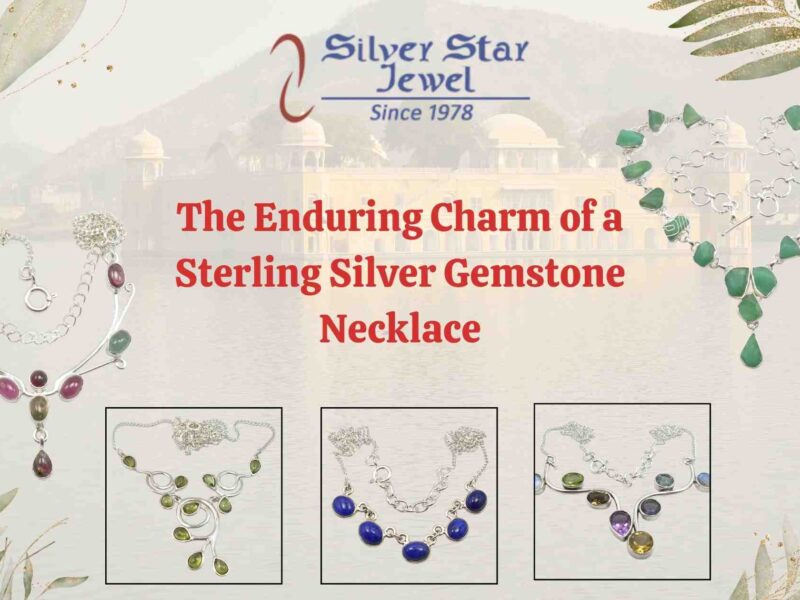
Necklaces sell consistently across almost every budget range, which is probably why they’re one of the most ordered wholesale categories out there. If you’re placing an order for Sterling Silver Necklace Wholesale, pay close attention to chain thickness, clasp strength, and how securely the pendant is attached – these are the parts that fail first with everyday wear. It’s also worth asking for a mixed assortment instead of a single style. Customer taste shifts by region and by season, and a retailer who orders too narrow a range often ends up with stock sitting in a back room for months.
Silver Studs Wholesale and Everyday Jewelry Categories
Stud earrings move fast, mostly because they work for daily wear and as gifts alike. Before buying Silver Studs Wholesale, check the post thickness and the type of backing used – weak posts bend, and cheap backings let earrings slip out during the day. It’s also worth confirming whether the supplier uses hypoallergenic alloys, since skin reactions are one of the most common reasons customers return earrings in the first place. A supplier with a wide stud range, from plain basics to gemstone-set pieces, gives you more flexibility to cover different customer groups without splitting your order across multiple vendors.
Pricing, MOQ, and Business Terms
Minimum order quantity MOQ, for short – is usually the first thing that needs sorting out. Some suppliers set it by piece count, others by total order value, and the difference can catch a new retailer off guard financially. Pricing deserves the same attention, since silver rates move with the market. A supplier willing to lock a price for a set period can protect you from a sudden cost jump mid-order. Payment terms, shipping timelines, and how defective pieces get handled should all be written down clearly before the first purchase order goes through, not left as a verbal understanding from a phone call.
Packaging and Presentation Standards
It’s easy to treat packaging as an afterthought, but it shapes how a product feels the moment it reaches your shelf. Anti-tarnish pouches, correct labeling, and secure boxing all cut down on returns caused by oxidation during transit or storage. Ask suppliers what their standard packaging looks like, and whether they offer custom branding – private labels, tags, that sort of thing. It’s a small detail, sure, but it saves a lot of rework later, especially if you’re trying to build your own brand identity around what you sell.
Building Long-Term Supplier Relationships
One good order doesn’t guarantee the next one will go just as smoothly. Retailers who treat supplier relationships as ongoing partnerships, rather than one-off deals, tend to get better outcomes over time. Talking regularly about design trends, seasonal demand, and feedback from previous shipments helps a supplier adjust production before problems show up. And retailers who put in that effort usually get priority during busy seasons, along with more room to test smaller trial orders on new designs.
Common Mistakes Retailers Should Avoid
Choosing a supplier purely on price is probably the most common misstep out there. Skipping the sample request is another – and it almost always leads to an unpleasant surprise when the full shipment arrives. Overlooking return and replacement policies is a third mistake worth mentioning, since defective pieces are nearly unavoidable at some point in bulk manufacturing. Reading supplier reviews, asking other retailers for references, and starting small before scaling up – these aren’t glamorous steps, but they cut down risk considerably.
Conclusion
Buying wholesale jewelry touches your inventory, your cash flow, and your customer’s trust, all at the same time. Taking the time to check silver purity, gemstone quality, packaging, and business terms before committing to a large order saves most retailers from the headaches that show up later. Working with a transparent Sterling Silver Gemstone Jewelry Supplier, asking direct questions, and starting with a smaller trial run gives you a much safer way into bulk buying – whether you’re stocking necklaces, studs, or building out a wider collection.
Frequently Asked Questions (FAQs)
Que. What does the 925 stamp on sterling silver actually mean?
Ans. It means the piece is 92.5 percent pure silver, with the rest made up of other metals, usually copper, added to give it more strength.
Que. How can a retailer check gemstone quality before placing a bulk order?
Ans. The safest way is to ask for a sample piece plus documentation on whether the stones are natural, treated, or synthetic before agreeing to a full order.
Que. What’s a reasonable minimum order quantity for someone just starting out?
Ans. It varies by supplier, but many offer smaller trial MOQs for new retailers so they can test product quality and gauge demand before committing to bigger volumes.
Que. Why do stud earrings get returned more often than other jewelry types?
Ans. Weak posts, poor backings, and skin sensitivity to certain alloys are the usual culprits, which is why checking post thickness and hypoallergenic options matters during sourcing.
Que. Does packaging really matter when picking a jewelry supplier?
Ans. Yes – proper anti-tarnish packaging protects the product in storage and transit, and it also affects how the finished piece looks once it’s sitting on your shelf.