Silver jewelry has never really gone out of style. Walk into any market, old or new, and you’ll find someone selling it, wearing it, or asking about it. But behind every necklace or pair of earrings that ends up in a store display, there’s usually a supply chain most shoppers never think about. For retailers, that chain often starts with one key decision: who to buy from in bulk, and whether that supplier can be trusted long term.
Understanding a Wholesale Silver Jewelry Exporter
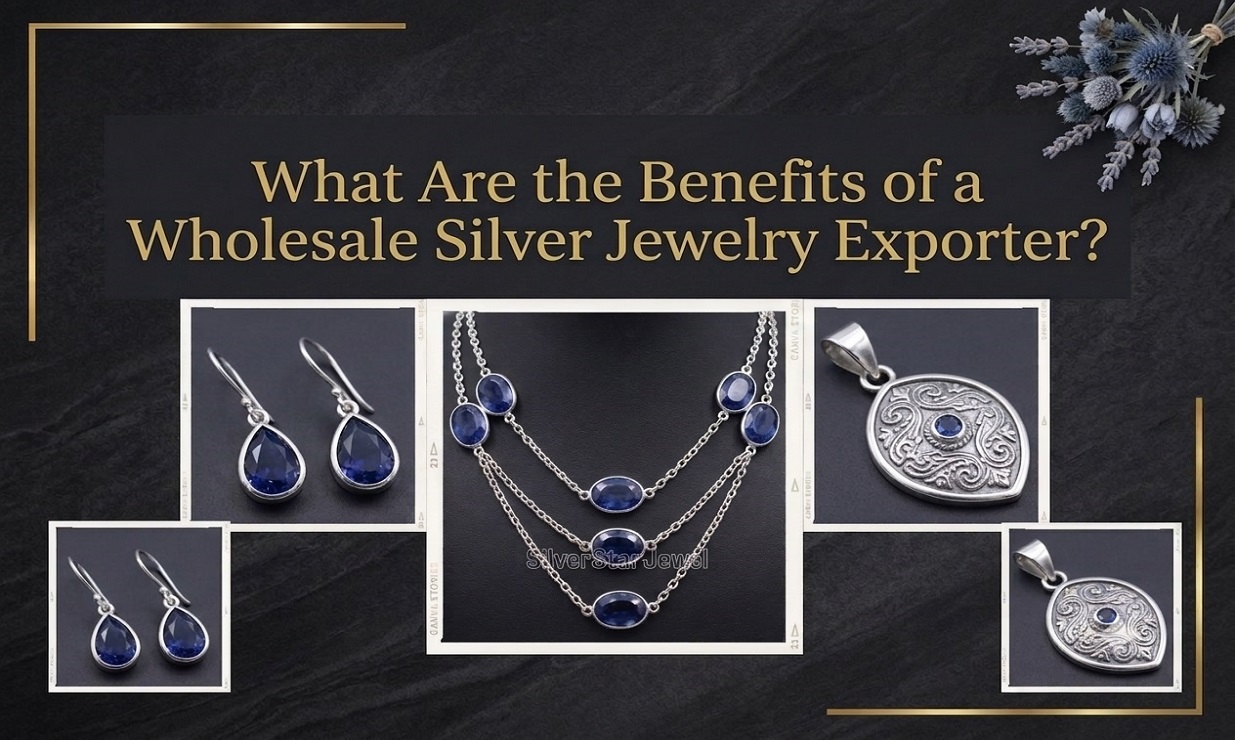
So what does this kind of business actually do? A Wholesale Silver Jewelry Exporter sources or manufactures silver jewelry in large volumes and ships it out to buyers abroad, often across several countries at once. Some run their own workshops. Others act more like a bridge, working with smaller artisan groups and pulling their output together into one catalogue. Either way, there’s more going on behind the scenes than just packing boxes and printing labels. Hallmarking has to be checked, purity has to be verified, and the paperwork for customs varies from country to country, which is not something a small retailer wants to figure out on their own. Many exporters also take on custom design work, so a store isn’t stuck reselling the same pieces as everyone else. That alone changes the relationship from “supplier” to something closer to a manufacturing partner.
Why Retailers End Up Choosing One
Price is usually what gets the conversation started. Buy more, pay less per piece – that part’s not complicated. But once retailers actually start working with an exporter, the reasons to stay tend to shift. Having one source for dozens of designs, instead of juggling five different local vendors, saves a surprising amount of time. Seasonal pieces, everyday basics, statement jewelry for weddings or festivals – it can all come from the same place if the exporter’s catalogue is broad enough. And there’s the trust factor too. Once a retailer knows a batch of stock will match the quality of the last one, ordering again becomes less of a gamble.
Necklaces Tend to Sell Themselves
Among all the categories, necklaces stay near the top of most order sheets. Retailers hunting for Wholesale Sterling Silver Necklaces usually want a spread – thin everyday chains on one end, chunkier statement pieces with stones on the other. Sterling silver works well here because it’s not pure silver; it’s mixed with a small amount of copper, usually around 7.5 percent, which gives it the strength to survive daily wear and long shipping routes without bending out of shape. Smart buyers will often test a smaller batch of a new necklace design first before placing a bigger repeat order, just to see how it actually performs with customers before committing real money.
Earrings Are the Easy Entry Point
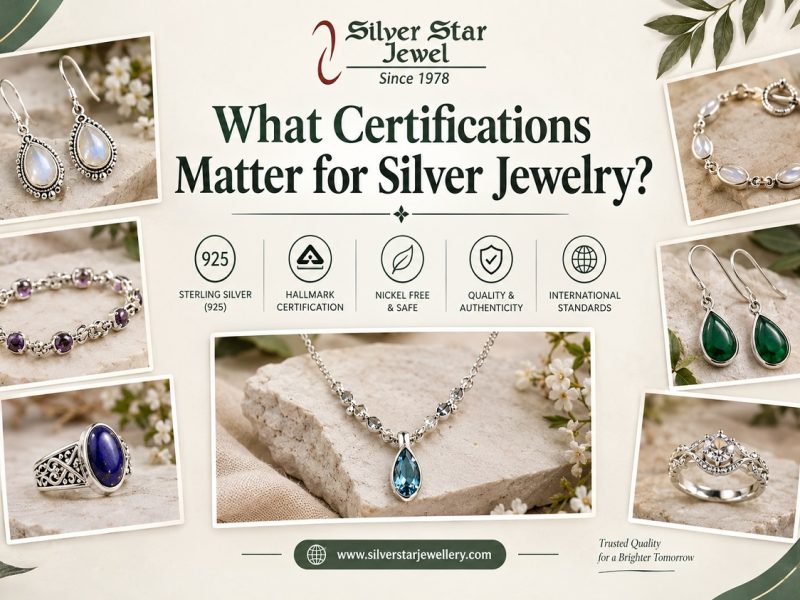
Earrings work a little differently. They’re often the first thing a new customer buys from a store, since they’re cheaper and lower-commitment than a full necklace set. Buyers searching for 925 Sterling Silver Earrings Wholesale are usually after lightweight, comfortable designs they can order in bulk without the shipping costs eating into the margin. The “925” stamp itself matters more than people realize – it’s proof the metal meets the standard 92.5 percent purity mark, and in some regions that stamp is legally required, not just a nice-to-have. Because earrings are small and light, shipping them is cheaper too, which is part of why so many new retail partnerships start there before moving into bigger, heavier categories.
Quality and Ethics Aren’t Just Checkboxes Anymore
Buyers ask harder questions than they used to. Where does the raw silver come from? Is any of it recycled? Are the workers who make it treated fairly? These aren’t fringe concerns anymore – they’re becoming standard parts of the vetting process. A supplier that avoids harsh chemicals during polishing, follows local hallmarking laws, and can actually explain where their metal comes from tends to earn repeat business faster than one that just quotes the lowest price. It’s not always the flashiest part of the pitch, but it’s often the deciding factor when two suppliers look similar on paper.
Why This Matters More for Small Businesses
A small jewelry brand rarely has the money or the connections to run its own production line, so bulk sourcing isn’t really optional for them – it’s the only realistic path forward. Buying wholesale lets a smaller retailer test several designs at once instead of betting everything on one style they hope sells. It also frees up time that would otherwise go into chasing production issues, time that’s better spent on marketing, customer service, or just running the store. Flexible minimum order sizes make a real difference here too, since they let a small startup access the same design range as a much bigger, more established competitor.
Picking the Right Exporter Isn’t Just About Price
It’s tempting to just go with whoever’s cheapest, but that usually backfires. A smarter approach is ordering a small sample batch first and actually checking it – the finish, the weight, whether the purity matches what was promised. Communication says a lot too. If a Wholesale Silver Jewelry Exporter is slow or vague about production timelines and shipping details before the order even happens, that’s usually a preview of how the rest of the relationship will go. Talking to other retailers who’ve worked with the same supplier over multiple orders, not just one, tends to reveal a lot more than a glossy catalogue ever could.
Conclusion
Buying silver jewelry in bulk isn’t just about getting a better price, even though that’s usually the first draw. It’s about building a supply relationship that actually holds up – one where the quality doesn’t drift from batch to batch, the paperwork gets handled properly, and there’s someone on the other end who answers questions instead of dodging them. Whether a business is placing its first trial order or its fiftieth, the suppliers worth sticking with tend to be the ones who treat transparency and consistency as the baseline, not an upsell.
Frequently Asked Questions (FAQs)
Que. What’s a typical minimum order quantity for silver jewelry exporters?
Ans. It really depends on the supplier. Some set it by piece count, others by total order value, and many keep it low enough that a smaller retailer can place a trial order before scaling up.
Que. Why use sterling silver instead of pure silver?
Ans. Pure silver is too soft to hold its shape well in everyday jewelry, so it’s alloyed with a small amount of another metal, usually copper, to make it sturdier without losing that silver look.
Que. Does the exporter handle shipping and customs paperwork?
Ans. Most established exporters take care of the export documentation and shipping labels on their end, though it’s worth confirming upfront who’s responsible for import duties once the order lands.
Que. How do you know if 925 silver is actually genuine?
Ans. Check for the 925 stamp on the piece itself, and for larger orders, it’s reasonable to ask the supplier for a purity certificate or test report to back it up.
Que. Can retailers request custom or exclusive designs?
Ans. Many suppliers will do custom work once a minimum order size is met, which lets a store build something closer to its own brand instead of just reselling the same catalogue pieces as everyone else.