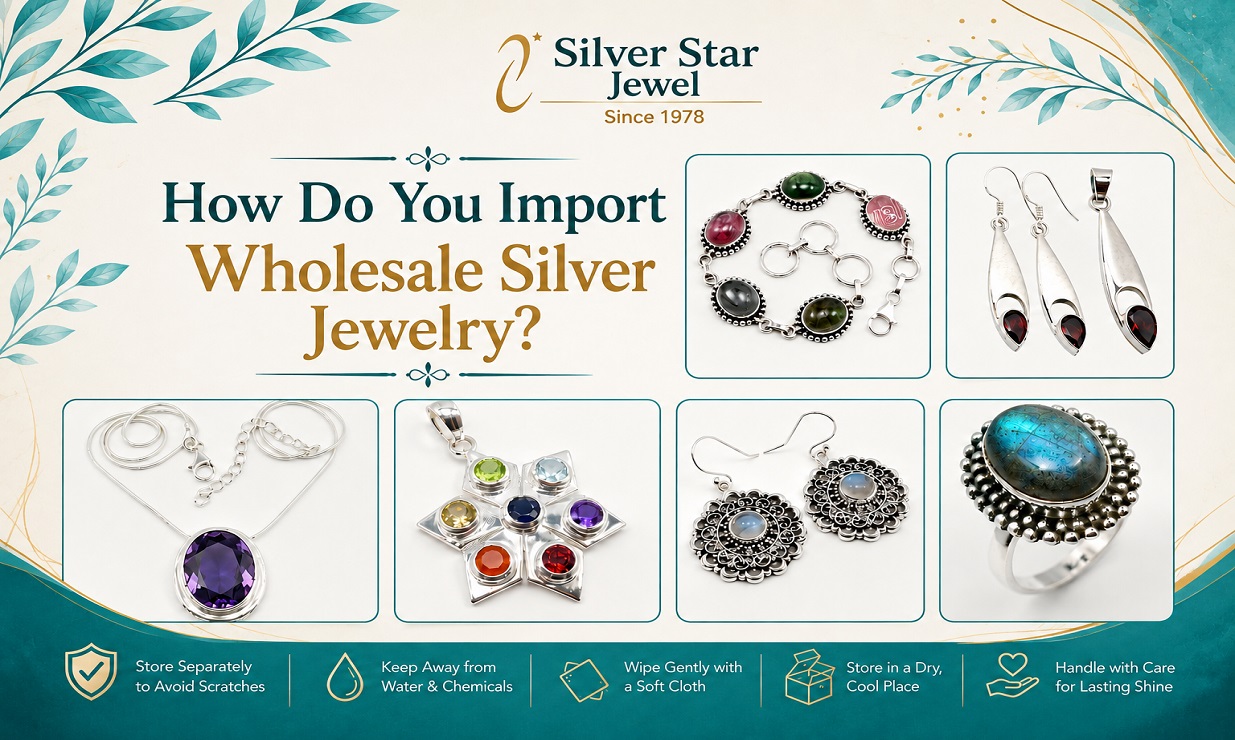
The first time someone looks into importing jewelry, it usually feels bigger than it actually is. Customs forms, purity checks, finding a supplier you can trust from thousands of miles away – none of it sounds simple on paper. But talk to anyone who’s actually done it, and you’ll hear the same thing over and over: it’s a learnable process, not a mysterious one. This piece walks through what really happens when someone brings in Wholesale Silver Jewelry from an overseas manufacturer, without the trade-show jargon that usually gets thrown around.
Why Silver Gets Imported So Often
There’s a reason silver keeps showing up in wholesale catalogs year after year. It sits in a sweet spot – real, well-made, and still affordable, which gold simply can’t offer at the same price point. A lot of that quality traces back to where the silver comes from. India, Thailand, and Mexico each have long-standing traditions of metalwork, passed down through families in some cases, and buying straight from those regions often means better pricing and access to pieces you won’t find sitting on a mall shelf. For a small retailer trying to stand out, that difference matters more than people expect.
Finding a Supplier Who Won’t Waste Your Time
This is where most of the real work happens. A good exporter answers questions without hesitation – where the metal is sourced, whether it’s hallmarked, what purity standard they’re working with. If a supplier gets vague or defensive when you ask, that’s usually a sign to move on. Ordering a few physical samples before committing to anything large is worth the extra week it takes. Photos lie, or at least they simplify. You can’t feel the weight of a piece or judge how a stone sits in its setting through a screenshot.
What “925” Actually Means
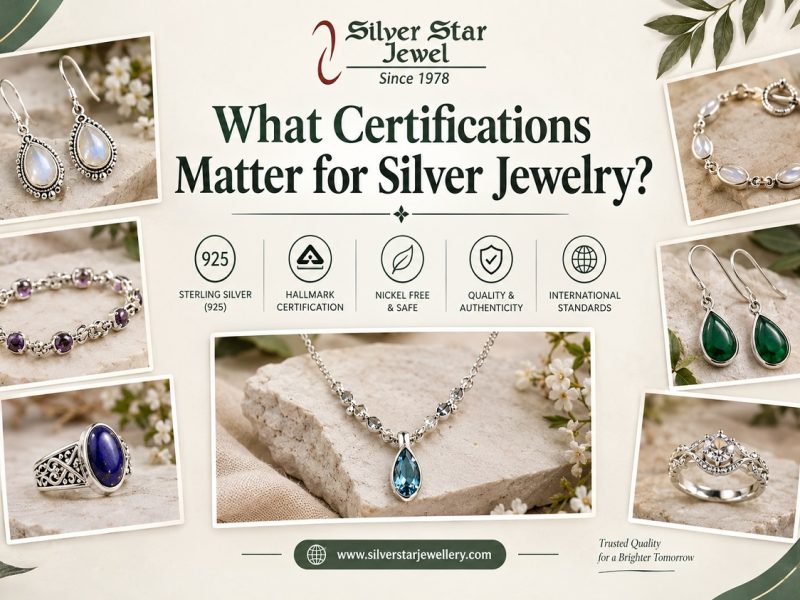
Sterling silver is 92.5% pure silver mixed with a small amount of another metal, usually copper, so it doesn’t bend or scratch as easily. That’s where the “925” stamp comes from, and it’s the number to look for on any invoice or product tag. Some importers skip verifying this and just take the supplier’s word for it, which is a mistake. A basic acid test or an XRF scan at a local assay office takes maybe twenty minutes and confirms the metal is what it claims to be. It’s a small habit, but it protects both your reputation and whoever ends up wearing the piece.
Paperwork Side of Things
Every country handles imports a little differently, but a handful of documents show up almost everywhere: a commercial invoice, a packing list, a certificate of origin, and depending on how the goods travel, either a bill of lading or an airway bill. Precious metals sometimes need extra declarations too, along with hallmarking proof from wherever the pieces were made. For a first shipment, hiring a customs broker isn’t overkill – it’s honestly the easier route. They know the tariff codes for jewelry off the top of their head and can catch problems before they turn into weeks-long holdups at the border. Rates on duties shift, so it’s worth checking a government trade portal before placing an order rather than assuming last year’s numbers still apply.
Silver Gemstone Pendants Wholesale, and Why the Category Behaves Differently
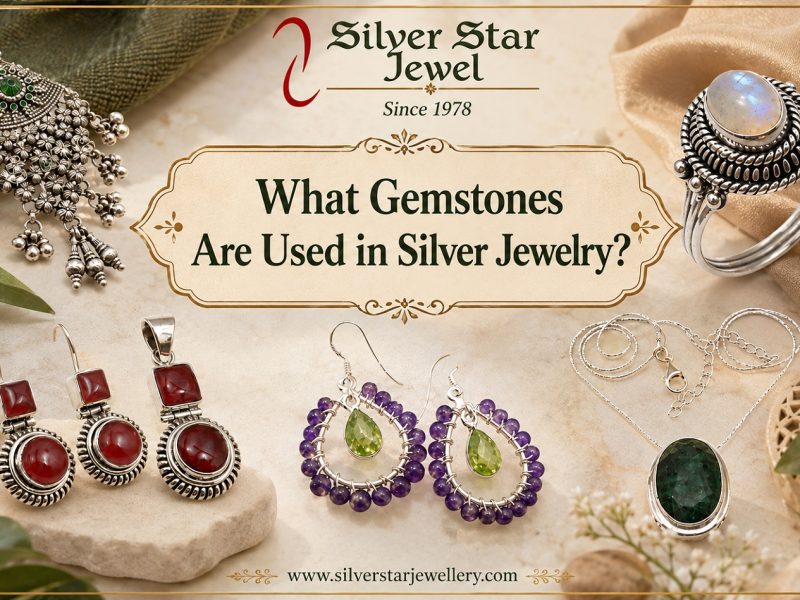
One category that comes up constantly in this line of work is Silver Gemstone Pendants Wholesale, and it deserves its own explanation because it involves more than metal alone. A pendant set with turquoise, garnet, or moonstone brings two separate skills together – the metalwork and the stone-setting – and both need to hold up under everyday wear. Buyers sourcing this category should ask, specifically, how the manufacturer secures stones in place. Prong settings that are rushed can loosen after a few weeks of wear, which turns into returns and unhappy customers fast. Manufacturers with a real quality process usually test each piece before it’s boxed, and they won’t mind being asked about it. This category tends to sell steadily because no two pendants ever look quite identical, which is exactly what shoppers looking for something personal are after.
Getting the Shipment There in One Piece
Once the sourcing and paperwork are sorted, there’s still the physical journey to think about. Silver jewelry doesn’t weigh much, so most importers lean toward air freight even though it costs more, mainly because less time in transit means fewer chances for something to go wrong. Insurance isn’t something to skip either – if a shipment gets lost or damaged and there’s no coverage, that loss comes straight out of profit, sometimes wiping out an entire order’s margin. Packaging matters more than people assume going in. Anti-tarnish strips, individual poly bags, and cartons sturdy enough to survive rough handling all prevent the scratching and oxidation that show up as complaints later.
Why the Second Order Tells You More Than the First
A smooth first order doesn’t guarantee anything long-term. Plenty of importers have learned that suppliers put extra effort into that initial shipment to win trust, then quality slips once the relationship feels settled. Staying in regular contact, being clear about timelines upfront, and occasionally checking in through video calls or in-person visits helps keep standards consistent. Some businesses also work with two or three suppliers instead of one, mostly as a buffer against delays or sudden price jumps that can happen without warning.
Sterling Bracelets Wholesale as a Natural Next Step
Many retailers who start with pendants eventually branch into Sterling Bracelets Wholesale, and it’s not hard to see why. Bracelets have a wider everyday appeal, and customers often buy more than one at a time to stack or layer them together, which naturally boosts order size. The sourcing steps are largely the same as with any other silver product, though it helps to pay closer attention to clasp strength and sizing ranges – small details, but ones that shape how satisfied a customer ends up being.
Mistakes That Show Up Again and Again
New importers tend to make the same handful of missteps. They underestimate minimum order quantities, treat a verbal promise as a real agreement, or skip third-party verification just to save a few days. Currency fluctuations catch people off guard too, quietly cutting into margins on bigger orders without anyone noticing until the numbers don’t add up. Most people who’ve been doing this a while will say the same thing: slowing down during the sourcing stage saves far more time than it costs.
Conclusion
Importing silver jewelry comes down to a few unglamorous habits – checking purity, keeping paperwork in order, and sticking with suppliers who prove themselves over more than one shipment. None of it is complicated once it’s broken down, but skipping any one step tends to catch up with a business eventually. Retailers who take these fundamentals seriously usually end up with something sturdier than a single good order: a supply chain they can actually count on as they grow.
Frequently Asked Questions (FAQs)
Que. What purity level should I look for when importing silver jewelry?
Ans. Look for 925 sterling silver – that’s 92.5% pure silver mixed with 7.5% other metal, typically copper, for added strength. It’s the standard used across the jewelry trade worldwide.
Que. Do I need a license to import silver jewelry for resale?
Ans. Most places require some form of business or import license, along with proper customs registration, though the exact rules depend on where you’re located. It’s worth checking with a local trade authority before placing an order.
Que. How do I know if a supplier is actually trustworthy before ordering in bulk?
Ans. Ask for samples first, request hallmarking or purity proof, and see if they can share references from other buyers. A smaller trial order before a bulk one is usually the safest way to test the relationship.
Que. Is there a typical minimum order quantity for wholesale silver jewelry?
Ans. It varies a lot by supplier, but many manufacturers set minimums somewhere between 50 and 200 pieces per design. Some are more flexible if you’re mixing several designs into one order.
Que. Should I ship silver jewelry by air or by sea?
Ans. Air freight tends to be the better choice, even with the higher cost, simply because the shorter transit time lowers the risk of loss or damage along the way.