If you’ve ever flipped over a silver ring or checked the little tag on a necklace, you’ve probably noticed the number 925 stamped somewhere on it. Most people don’t think twice about it. But that number is actually doing a lot of work, and once you understand what it means, it’s easier to see why silver jewelry made this way has stayed popular for so long, in so many different markets, instead of getting replaced by something newer.
What “925” Actually Means
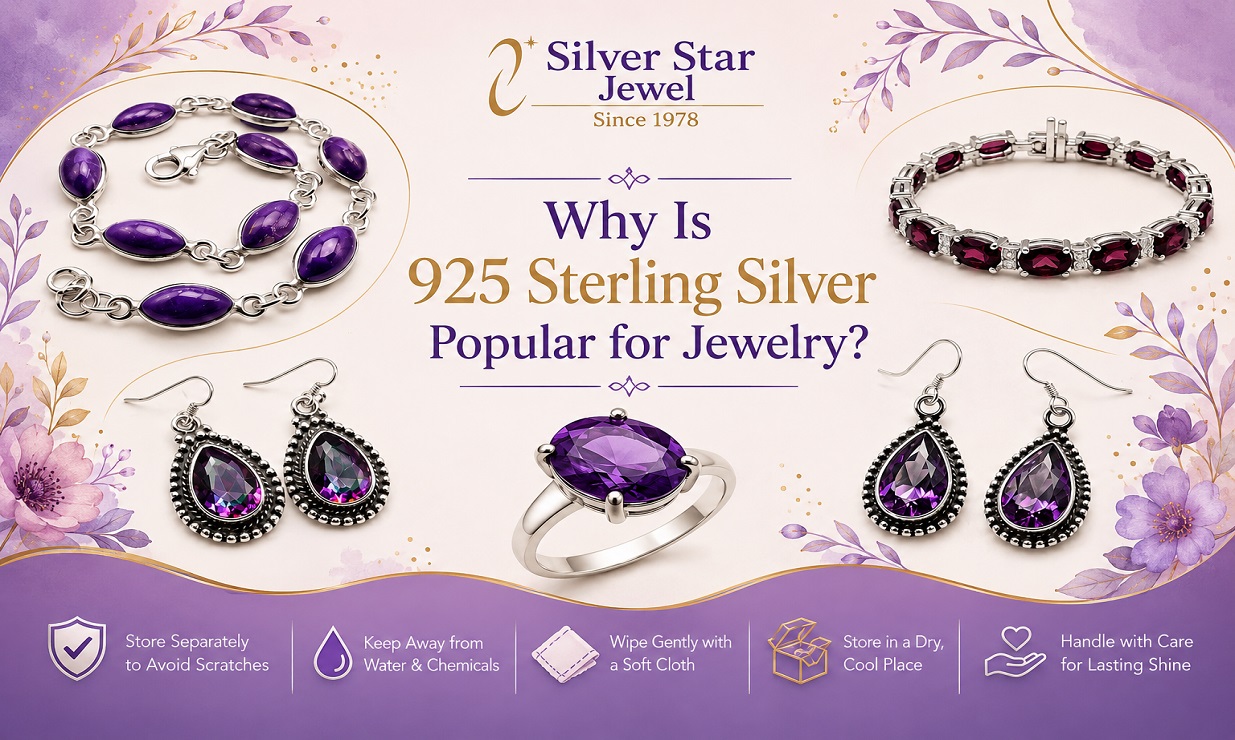
925 refers to purity. A piece stamped this way is 92.5% pure silver. The other 7.5% is usually copper, sometimes a different alloy metal depending on the manufacturer. Pure silver by itself sounds like it should be the better option, right? More silver, more value. Except pure silver is soft, almost too soft to be practical. It scratches easily, loses fine detail fast, and can bend out of shape just from normal handling. So jewelers add a small amount of another metal to firm it up. The result keeps that bright silver look but can actually survive being worn.
This isn’t some regional trick or a number one brand made up to sound official. It’s an internationally recognized purity standard, which is probably the biggest reason it became the default for silver jewelry rather than staying niche.
Can It Actually Handle Daily Wear?
Here’s the thing about jewelry: people don’t just look at it, they live in it. Rings knock against countertops. Necklaces get tangled in scarves. Earrings get slept in more often than anyone admits. If a metal can’t take that kind of abuse, it’s not going to hold up long term, no matter how nice it looked on day one.
Sterling silver does reasonably well here. It’s firm enough for daily use but still soft enough that a skilled jeweler can add fine detail, engraving, tiny prong settings and delicate filigree work. Getting both of those in one metal isn’t as common as you’d think. And for anyone selling jewelry meant to actually be worn, not just admired in a box, that durability is what earns repeat customers.
Where Wholesale Silver Gemstone Jewelry Comes In
Anyone who’s tried starting a small jewelry business runs into the same wall early on: sourcing. Where do you actually get pieces that look good and don’t cost a fortune to stock? Wholesale Silver Gemstone Jewelry has become a common answer to that. It usually covers rings, pendants, and similar pieces set with real stones- garnet, amethyst, turquoise, that kind of thing- produced in bulk for shops that need consistent stock rather than one-off pieces. The appeal is pretty practical. Sourcing metal and stones separately takes time and money most small sellers don’t have, so getting both together in one order is often what makes offering gemstone jewelry realistic in the first place.
Why the Price Point Works
Gold costs more. Platinum costs a lot more. Sterling silver sits well below both, which means more people can actually afford to buy it, without it looking like a downgrade. A well-crafted silver piece, especially one with a nicely cut stone, doesn’t look cheap sitting next to gold jewelry. It just looks different. That gap between the price and how good it looks is honestly probably the biggest single reason silver keeps selling year after year, across pretty much every budget.
It Works Across a Lot of Different Styles
Silver is flexible in a way some metals aren’t. Minimal everyday pieces, oversized statement chains, oxidized vintage-style finishes- it handles all of it. A seller offering 925 Silver Necklace Wholesale collections can put out a thin, delicate chain and a chunky layered piece from the same base metal; the only real difference is the finish and the design applied on top. That range is a big part of why silver hasn’t been pushed aside by newer alloys, even with so many trends coming and going.
Easier on Sensitive Skin
A lot of people react badly to cheap metal jewelry without really knowing why. Usually it’s nickel. It’s inexpensive, so it ends up in a lot of low-cost pieces, and it causes real irritation for a surprising number of wearers. Sterling silver, as long as it’s alloyed with copper and not nickel, tends to be much gentler. That makes it a solid everyday choice for people who’ve had bad reactions before. One caveat worth mentioning: not everything sold as “silver” is genuinely 925, so this really only applies when the metal actually meets that standard.
Rise of Wholesale Silver Earrings
Out of all the wholesale categories, earrings seem to be growing the fastest right now. Makes sense when you think about it: they sit right on the face, people like switching them up to match different looks, and nobody wants to pay gold prices for five different pairs. Wholesale 925 Sterling Silver Earrings fill that gap well, giving retailers access to studs, hoops, drops, and gemstone pairs at a price that actually supports keeping a wide selection in stock. It’s turned into one of the most reordered categories among small sellers.
A Quick Word on Sustainability
No mined metal comes without some environmental cost, and silver is no different there. But it does have one real advantage over a lot of alternatives: it’s highly recyclable. Old or broken pieces can be melted down and reshaped into something new without losing quality, which means less pressure to keep mining fresh material. More buyers are starting to ask suppliers directly where their silver comes from, and that’s slowly nudging manufacturers toward supply chains they can actually explain when someone asks.
Conclusion
There isn’t one single reason 925 sterling silver has held on this long. It’s a combination: durability that actually holds up, pricing that makes sense for more people, a purity standard that means the same thing everywhere, and skin that generally doesn’t react badly to it. Whether someone’s buying a single necklace as a gift or a retailer is placing a wholesale order to stock an entire shop, sterling silver keeps meeting the need on both ends. Gemstone-set silver jewelry especially seems to keep growing, and nothing about that trend looks like it’s slowing down.
Frequently Asked Questions (FAQs)
Que. What’s actually different between pure silver and 925 sterling silver?
Ans. Pure silver is 99.9% silver, which sounds like the better deal, but it’s too soft to hold up in most jewelry. Sterling silver trades a little of that purity for copper, which gives it the strength jewelry actually needs to survive daily wear.
Que. Does 925 sterling silver tarnish?
Ans. Yes, over time it will. That’s the copper reacting with air and moisture. Keeping it clean and stored somewhere dry slows the process down considerably, but it won’t stop it forever.
Que. Is it safe for people with sensitive skin?
Ans. Generally, yes. As long as it’s alloyed with copper rather than nickel, most people can wear it without any issue. Anyone with a known metal allergy should still double-check the exact alloy with the seller before buying.
Que. How can you tell if a piece is genuinely 925?
Ans. Check for a small stamp, usually reading “925” or “sterling,” somewhere discreet like a clasp or the inside of a ring band. A seller who actually knows their product should also be able to confirm the composition if you just ask them directly.
Que. Why do businesses buy sterling silver jewelry wholesale instead of individually?
Ans. Mostly cost. Buying in bulk brings the price per piece down and keeps quality consistent across an entire line, which matters when you’re trying to keep popular items- rings, necklaces, earrings- in stock without constantly running out.